Hi again folks.......well did you miss me? the story is that when I set this Blog up i was officially retired.
Sadly, with the recent financial chaos, i had to go back to work to earn a crust and pay the mortgage! Result .... one 66 year old working 11 hour shifts in a Call Centre to supplement a pathetic State Pension.
Give me strength. we are over taxed, overlooked, over bureaucratised, spied on, treble taxed, and our opinions trodden underfoot.
And don't tell me this is a Democracy -- you can just vote them out. Do me a favour. Do you honestly believe things will change under a different Government?
My friend Democracy is dead in U.K. The idea that an Englishman's home is his castle has disappeared for ever. Have you any idea how many faceless people can invade your home without a warrant?
Do you know how many "refugees" are living among us sucking the life blood out of the State Benefit System I paid into for 50 years and which has singularly failed to
keep its promise to me and people of my generation.
I have thought hard about this and have decided to re-start my gardening Blog today. With a cutting edge of comment added to it.
In fact, I may even start a new Blog or Newsletter for Silver surfers like me who want to be heard by an unelected unrepresentative bunch of crooks called politicians,
whose noses are stuck so firmly in the trough that they breath through their backsides and can't see the real World at all!
And don't get me started about the EC. I'll keep that one for another day.
Meantime, if there is anyone out there reading this who feels like me and wants to vent their frustration drop a comment on this article and i will get back to you.
On gardening issues, here is an article you may be interested in provided by our friends at http://www.tipsonflowergardening.com/winter-flowers.html
"Quick. Name 10 winter flowers....!
Yes, I know, it depends where you live. For instance, if you look out your window and see snow drifts big enough to hide a dog, you will have to settle for indoor winter flowers. But if you live in a zone that allows outdoor plants to bloom year round, then here are some gorgeous winter flowers.
Witch hazel (Hamamelis spp.) is a winter-flowering shrub. These shrubs can grow to a height of 20 feet and they bloom from late fall through the winter. The Hamamelis virginiana variety is native to North America and has yellow-gold flowers and leaves. Yes, the astringent witch hazel comes from this plant but it offers great winter color.
Japanese pieris (Pieris japonica) is another shrub that blooms in winter. The blooms are strands of buds in bright red, white or pink. The leaves are bright green.
Christmas roses (or Lenton roses) (Helleborus spp.) bloom in mid to late winter. They have dark green leaves and cup-shaped blooms in maroon, pink, white or red. As the bloom get older, they fade to a creamy ivory color.
Glory-of-the-snow (Chionodoxa lucillae) provides star-shaped flowers. This plant grows from bulbs and there is a trick to keeping it blooming year after year. After the blooms stop, don’t mow the lawn for six week. This lets the bulbs pull the necessary energy from the lawn so that it can bloom again next winter.
Winter Jasmine (Jasminum nudiflorum) is a shrub with yellow jasmine blossoms that bloom from late fall and the winter. It can grow to a height of 15 feet and makes a great trellis-trained plant.
Firethorn (Pyracantha) is a good companion winter flower for the winter jasmine. It grows berries in bright red or pale yellow. Don’t prune it because this will trim off the potential berries.
There are early bulbs that qualify as winter flowers because given the right circumstances, they will blossom early enough to be in your garden when the snow is still there. Some of the favorite early blooming bulbs are crocus, amaryllis, hyacinth, tulip, and narcissus. A couple of other contenders are snowdrops (Galanthus nivalis) and the reticulated iris (Iris reticulata).
What you need to remember about winter flowers is that they are not going to be great big beds of various colorful flowers. Technically most of them are shrubs. You can check to see which ones will flourish in your area and try one or two. Even bright shiny green leaves in February can be quite attractive."
Showing posts with label garden lawn. Show all posts
Showing posts with label garden lawn. Show all posts
Sunday, November 02, 2008


Tuesday, September 04, 2007
How to Keep Cats Out of Your Garden!
Do cat repellents work? How do I stop cats from using my garden as a toilet? How can I keep cats out of my garden? These are among the most frequently asked questions by gardeners everywhere.
The first line of defence should be to ensure that your garden boundaries are secure. Any gaps in your fence should be blocked to deny low level access. Cats however can jump rather well and rather high, so fix a taut wire or string some six inches above the top of your fence to deter this approach.
Once inside your garden many people say that the best cat repellent is a dog who will soon see off any feline invader. That pre-supposes that you are a dog lover. If not, then you will have to resort to more passive methods. For example, cats like to lie on freshly dug soil, so you should lay mulch on your borders so that no bare soil is left exposed. Seed beds should be covered with wire netting or twigs arranged as a barrier.
Young trees should have plastic guards fitted around their trunks to protect them against use as a scratching pole. Your garden pond should be covered with netting to keep your fish safe.
Cats are generally known to dislike water, so a well aimed bucketful or a squirt with the hose will certainly make an intruder run. After one or two dousings it may learn the lesson and stay away.
To protect plants and borders, both mothballs and citrus are said to be effective deterrents. Place the mothballs, orange peel or lemon rind in the borders. Alternatively spray cloths with orange scented air freshener and place the cloths around the plants you wish to protect. Other known cat repellents are cayenne pepper, coffee grounds, pipe tobacco, lavender oil, lemon grass oil, citronella oil, eucalyptus oil and mustard oil.
Certain herbs are said to deter cats. In particular rue but not catmint which has the opposite effect. Coleus canina is another plant which is marketed by one merchant as a cat repellent.
If you visit your local garden center or hardware store you will find several cat repellent products on sale. These range from electric water sprinklers and ultrasonic devices to sprays and granules.
Motion activated sprinklers act in the same way as a burglar alarm using an infra red detector. When the cat enters the area covered by the detector the sprinkler shoots out a jet of water to scare the animal away. It is claimed that, after one or two encounters with the jet, the cat will learn to avoid the area.
Ultrasonic devices emit a high frequency sound which is annoying to cats (and dogs) but is not audible to humans. There are various different models some of which operate continuously and others which have an infra red detector and only emit a pulse of sound when the cat triggers the device. To be successful you need to ensure that the model is powerful enough to cover the area you wish to protect. In addition make sure that the sound frequency is designed for larger animals since some models are intended to deter insects and so would be no use for cats.
There are also commercial scent cat repellents. Those that use chemicals should be kept away from any food crops but the essential oil based granule varieties act in the same way as orange and lemon peel mentioned above. Another way to keep a cat out if the garden is a repellent evaporator which consists of a container holding puffed rice which has been impregnated with essential oils. These are effective for three to four weeks and can then be refilled for a further period. Another natural product which many people claim really keeps a cat out of the garden is lion's dung. You may need to visit your local zoo to obtain this although some stores do stock zoo poo.
In Ontario, Canada the local township provides a cat trap service. Once the animal enters the cage it cannot escape but is completely unharmed. The owner has to pay to recover his pet and so should be encouraged not to let the cat stray in future. Apparently few owners bother to reclaim their cats but just obtain another kitten. However this sounds like a good way of dealing with a cat that cannot be deterred by any other method. If there is no such scheme in your area, just buy your own trap.
So, to recap, the first priority is to secure your boundary fences. Then you have the whole selection of suggested cat repellents ranging from homemade recipes to expensive commercial gadgets. I would suggest that you try the orange peel and prickly twigs for a start. If you are around when the intruder appears, try the bucket of water or hose. Even if you miss, the shock may be a sufficient deterrent. If these do not do the trick, then you may have to consider the commercial alternatives.
With thanks for this Article by Hugh Harris-Evans at http://members.ezinearticles.com/index.php
The first line of defence should be to ensure that your garden boundaries are secure. Any gaps in your fence should be blocked to deny low level access. Cats however can jump rather well and rather high, so fix a taut wire or string some six inches above the top of your fence to deter this approach.
Once inside your garden many people say that the best cat repellent is a dog who will soon see off any feline invader. That pre-supposes that you are a dog lover. If not, then you will have to resort to more passive methods. For example, cats like to lie on freshly dug soil, so you should lay mulch on your borders so that no bare soil is left exposed. Seed beds should be covered with wire netting or twigs arranged as a barrier.
Young trees should have plastic guards fitted around their trunks to protect them against use as a scratching pole. Your garden pond should be covered with netting to keep your fish safe.
Cats are generally known to dislike water, so a well aimed bucketful or a squirt with the hose will certainly make an intruder run. After one or two dousings it may learn the lesson and stay away.
To protect plants and borders, both mothballs and citrus are said to be effective deterrents. Place the mothballs, orange peel or lemon rind in the borders. Alternatively spray cloths with orange scented air freshener and place the cloths around the plants you wish to protect. Other known cat repellents are cayenne pepper, coffee grounds, pipe tobacco, lavender oil, lemon grass oil, citronella oil, eucalyptus oil and mustard oil.
Certain herbs are said to deter cats. In particular rue but not catmint which has the opposite effect. Coleus canina is another plant which is marketed by one merchant as a cat repellent.
If you visit your local garden center or hardware store you will find several cat repellent products on sale. These range from electric water sprinklers and ultrasonic devices to sprays and granules.
Motion activated sprinklers act in the same way as a burglar alarm using an infra red detector. When the cat enters the area covered by the detector the sprinkler shoots out a jet of water to scare the animal away. It is claimed that, after one or two encounters with the jet, the cat will learn to avoid the area.
Ultrasonic devices emit a high frequency sound which is annoying to cats (and dogs) but is not audible to humans. There are various different models some of which operate continuously and others which have an infra red detector and only emit a pulse of sound when the cat triggers the device. To be successful you need to ensure that the model is powerful enough to cover the area you wish to protect. In addition make sure that the sound frequency is designed for larger animals since some models are intended to deter insects and so would be no use for cats.
There are also commercial scent cat repellents. Those that use chemicals should be kept away from any food crops but the essential oil based granule varieties act in the same way as orange and lemon peel mentioned above. Another way to keep a cat out if the garden is a repellent evaporator which consists of a container holding puffed rice which has been impregnated with essential oils. These are effective for three to four weeks and can then be refilled for a further period. Another natural product which many people claim really keeps a cat out of the garden is lion's dung. You may need to visit your local zoo to obtain this although some stores do stock zoo poo.
In Ontario, Canada the local township provides a cat trap service. Once the animal enters the cage it cannot escape but is completely unharmed. The owner has to pay to recover his pet and so should be encouraged not to let the cat stray in future. Apparently few owners bother to reclaim their cats but just obtain another kitten. However this sounds like a good way of dealing with a cat that cannot be deterred by any other method. If there is no such scheme in your area, just buy your own trap.
So, to recap, the first priority is to secure your boundary fences. Then you have the whole selection of suggested cat repellents ranging from homemade recipes to expensive commercial gadgets. I would suggest that you try the orange peel and prickly twigs for a start. If you are around when the intruder appears, try the bucket of water or hose. Even if you miss, the shock may be a sufficient deterrent. If these do not do the trick, then you may have to consider the commercial alternatives.
With thanks for this Article by Hugh Harris-Evans at http://members.ezinearticles.com/index.php
Monday, August 27, 2007
Lawn Mowers - The right way to mow your lawn!
lawn care
Lawn Mowers
The way you mow your lawn could mean the difference between a healthy lawn and a very healthy lawn. Most people are not thrilled when they have to mow the lawn or weed it. But these are important lawn maintenance tasks that have to be done.
The first step to mowing the lawn is to buy the right lawn mower. There are many different kinds of Lawn Mowers on the market today.
Push mower -These are probably the oldest lawn mowers in existence, but they are very effective for smaller lawns. You will get no special perks from this mower. With some updated mower, you may be able to change the blade height, but that’s about it.
All you have to do is manually push the mower over the lawn and it will cut the grass. It is important to make sure the grass is dry or it will get caught in the blade and you will have to remove it.
The clippings will fall on the lawn.
You can grab a bag and rake them up, or you can let them decompose and feed your lawn. It’s your choice.
Electric mower - An electric mower is a little easier to use because it is powers by electricity. This means that you will be able to cut your lawn faster than with a push mower. Older electric mowers have a power cord that you will have to plug in order to use. These mowers can be dangerous if you do not remember to look after the cord.
As with the push mower, you will have to clean up the clippings or leave them on your lawn.
Electric cordless mower - These mowers do not have cords which make them much easier to use and do not require you to find an outlet on both sides of the house. Electric cordless mowers also come with a bag that will store lawn clippings. When the bag is full, you will have to empty it. These mowers run on a battery that can be charged easily when not in use.
These mowers can also be used without the bag if you would rather let the lawn clippings fertilize your lawn.
Ride-on mower - For larger lawns, a ride-on mower will help you not run out of energy to complete other tasks around the yard once the mowing is complete.
These mowers have bags that will catch lawn clippings.
Mulching mower - If you want to use your lawn clippings, but do not like the site of them, you should look into investing in a mulching mower. These mowers will ground up lawn clippings so they are not as visible as regular clippings.
How to Mow
Regardless of which lawn mower you purchase, you should learn how to mow the lawn correctly so that you do not do unnecessary damage. You should consider following these tips:
You should mow your lawn when the grass is dry and is about three inches in length. If you mow any sooner, you may end up killing the grass. You will then have to reseed and start all over again. If you don’t want to walk outside each weekend and measure your lawn, you should mow about twice a month or every other weekend during the summertime.
Each time you mow your lawn, you should begin in a different direction. If you mow in the same direction each time, you will end up creating ruts in your lawn. These ruts could destroy your lawn and also make it look run down and unkempt.
Even if you do not want lawn clippings, and have not purchased a mulching mower, maybe you could compromise and only pick up lawn clippings once a month instead of twice. Full of nutrients, lawn clippings will make your lawn healthier.
Mowing the lawn is not difficult, but it should be done correctly so that you can get the most from your lawn during the spring and summer months. The nutrients you feed your lawn during this time will keep your lawn healthy for the entire year. While mowing too much can be a problem, so can not mowing enough. Long grass can cause shorter pieces to not get enough sunlight.
Mow your lawn consistently and you will enjoy a lush lawn all season long. Fertilize it with fertilizers, mulch, compost, and lawn clippings to keep that green alive all year long.
Terry Blackburn. Internet Marketing Consultant, living in South Shields in the North-East of England. Author and Producer of blog http://www.lawnsurgeon.blogspot.com. Author of "Your Perfect Lawn," a 90 Page eBook devoted to Lawn Preparation, Lawn Care and Maintenance. Find it at http://www.lawnsurgeon.com
I would be very interested to have your comments on this Article.
Article Source: http://EzineArticles.com/?expert=Terry_Blackburn
lawn care
Lawn Mowers
The way you mow your lawn could mean the difference between a healthy lawn and a very healthy lawn. Most people are not thrilled when they have to mow the lawn or weed it. But these are important lawn maintenance tasks that have to be done.
The first step to mowing the lawn is to buy the right lawn mower. There are many different kinds of Lawn Mowers on the market today.
Push mower -These are probably the oldest lawn mowers in existence, but they are very effective for smaller lawns. You will get no special perks from this mower. With some updated mower, you may be able to change the blade height, but that’s about it.
All you have to do is manually push the mower over the lawn and it will cut the grass. It is important to make sure the grass is dry or it will get caught in the blade and you will have to remove it.
The clippings will fall on the lawn.
You can grab a bag and rake them up, or you can let them decompose and feed your lawn. It’s your choice.
Electric mower - An electric mower is a little easier to use because it is powers by electricity. This means that you will be able to cut your lawn faster than with a push mower. Older electric mowers have a power cord that you will have to plug in order to use. These mowers can be dangerous if you do not remember to look after the cord.
As with the push mower, you will have to clean up the clippings or leave them on your lawn.
Electric cordless mower - These mowers do not have cords which make them much easier to use and do not require you to find an outlet on both sides of the house. Electric cordless mowers also come with a bag that will store lawn clippings. When the bag is full, you will have to empty it. These mowers run on a battery that can be charged easily when not in use.
These mowers can also be used without the bag if you would rather let the lawn clippings fertilize your lawn.
Ride-on mower - For larger lawns, a ride-on mower will help you not run out of energy to complete other tasks around the yard once the mowing is complete.
These mowers have bags that will catch lawn clippings.
Mulching mower - If you want to use your lawn clippings, but do not like the site of them, you should look into investing in a mulching mower. These mowers will ground up lawn clippings so they are not as visible as regular clippings.
How to Mow
Regardless of which lawn mower you purchase, you should learn how to mow the lawn correctly so that you do not do unnecessary damage. You should consider following these tips:
You should mow your lawn when the grass is dry and is about three inches in length. If you mow any sooner, you may end up killing the grass. You will then have to reseed and start all over again. If you don’t want to walk outside each weekend and measure your lawn, you should mow about twice a month or every other weekend during the summertime.
Each time you mow your lawn, you should begin in a different direction. If you mow in the same direction each time, you will end up creating ruts in your lawn. These ruts could destroy your lawn and also make it look run down and unkempt.
Even if you do not want lawn clippings, and have not purchased a mulching mower, maybe you could compromise and only pick up lawn clippings once a month instead of twice. Full of nutrients, lawn clippings will make your lawn healthier.
Mowing the lawn is not difficult, but it should be done correctly so that you can get the most from your lawn during the spring and summer months. The nutrients you feed your lawn during this time will keep your lawn healthy for the entire year. While mowing too much can be a problem, so can not mowing enough. Long grass can cause shorter pieces to not get enough sunlight.
Mow your lawn consistently and you will enjoy a lush lawn all season long. Fertilize it with fertilizers, mulch, compost, and lawn clippings to keep that green alive all year long.
Terry Blackburn. Internet Marketing Consultant, living in South Shields in the North-East of England. Author and Producer of blog http://www.lawnsurgeon.blogspot.com. Author of "Your Perfect Lawn," a 90 Page eBook devoted to Lawn Preparation, Lawn Care and Maintenance. Find it at http://www.lawnsurgeon.com
I would be very interested to have your comments on this Article.
Article Source: http://EzineArticles.com/?expert=Terry_Blackburn
lawn care
Tuesday, May 22, 2007
Garden Plants That Attract Birds
lawn, gardening, organic, birds
In concentrating as we do on the subject of Lawn Care, I suspect that we often are guilty of missing the bigger picture with regard to our gardens. For example, a lawn does not just sit in splendid isolation, but should be part of the scenic "whole" garden. Thus we need to ensure the surrounding context - plants, flowers, insects, birds and so on - are equally attended to, so that a harmonic balance is achieved. Only by so doing will we create the true harmonic "whole entity" that is a true garden.
On this point, I came across this Article by Rosemary Drisdelle at http://bird-habitats.suite101.com on the subject of attracting Birds by planting the appropriate trees and shrubs. It is fresh and thought provoking and I recommend it to you!
Gardeners often choose garden plants that are attractive to birds. Here's a sampling of plants of various types that you might use.
If you’re thinking about putting some plants in your backyard bird habitat that will bring in more birds, you’ll need to think about how much space you have and what will grow well in your area. Here are eight suggestions to get you thinking:
Crabapple: a tall spreading flowering tree that grows well in most parts of North America and much of Europe and Asia. The small fruit are eaten by birds and other wildlife, and the high dense branches provide roosting and nesting sites. Crabapples need a lot of space.
Hawthorn: a small tree suited to smaller yards. Hawthorn has fruit on its branches in the colder months, so it can be an important source of food for birds in winter. It also provides good nesting sites and cover from predators. Cardinals and Cedar Waxwings, among other birds, are attracted to hawthorn.
Elderberry: a tall shrub that produces delicate flowers and abundant small fruits—a good plant to grow if your soil is moist. Cedar Waxwings, Rose-breasted Grosbeaks, Gray Catbirds, and dozens of other species of birds visit elderberry for food, nesting sites, or shelter.
Currant: a smaller shrub that produces flowers to attract hummingbirds, and fruit that draws American Robins, California Thrashers, and Hermit Thrushes. Birds that nest near the ground in dense bushes will use a currant bush. A number of species of currant are available, many of which are very drought tolerant.
Honeysuckle: a vine, and a favorite of hummingbirds. A large healthy honeysuckle will also provide lots of insects for birds to eat, fruit that is attractive to blue birds, and sheltered nesting sites.
Rose: shrubs or climbers that flower beautifully while providing insects for food in summer and rosehips in winter. Cardinals and sparrows are noted for visiting roses. The dense thorny growth of many roses provides good protective cover for birds, and safe nesting sites as well.
Sunflowers: tall showy annual flowers that produce a favorite food of many birds—sunflower seeds. The plants stand in the garden well into the fall for birds to visit, or you can harvest the seed and put it out in a feeder all winter.
Butterfly weed: a tall perennial known for attracting butterflies—and it's also a favorite host plant for growing caterpillars. A garden full of butterflies and caterpillars is beautiful in its own right, but it also attracts insect eating birds.
When choosing plants to attract birds to your garden, be sure to consult a local garden specialist to be sure your choices are appropriate for conditions in your area. As well, don’t forget that using herbicides and insecticides in your garden can create a toxic environment for birds and reduce their food supply by killing worms, insects, and other invertebrates. To enjoy lots of birds and butterflies in your garden, switch to chemical free gardening methods.
Terry Blackburn. Internet Marketing Consultant, living in South Shields in the North-East of England. Author and Producer of blog http://www.lawnsurgeon.blogspot.com Author of "Your Perfect Lawn," a 90 Page eBook devoted to Lawn Preparation, Lawn Care and Maintenance. Find it at http://www.lawnsurgeon.com
I would be very interested to have your comments on this Article.
Article Source: http://bird-habitats.suite101.com
lawn, gardening, organic, birds
In concentrating as we do on the subject of Lawn Care, I suspect that we often are guilty of missing the bigger picture with regard to our gardens. For example, a lawn does not just sit in splendid isolation, but should be part of the scenic "whole" garden. Thus we need to ensure the surrounding context - plants, flowers, insects, birds and so on - are equally attended to, so that a harmonic balance is achieved. Only by so doing will we create the true harmonic "whole entity" that is a true garden.
On this point, I came across this Article by Rosemary Drisdelle at http://bird-habitats.suite101.com on the subject of attracting Birds by planting the appropriate trees and shrubs. It is fresh and thought provoking and I recommend it to you!
Gardeners often choose garden plants that are attractive to birds. Here's a sampling of plants of various types that you might use.
If you’re thinking about putting some plants in your backyard bird habitat that will bring in more birds, you’ll need to think about how much space you have and what will grow well in your area. Here are eight suggestions to get you thinking:
Crabapple: a tall spreading flowering tree that grows well in most parts of North America and much of Europe and Asia. The small fruit are eaten by birds and other wildlife, and the high dense branches provide roosting and nesting sites. Crabapples need a lot of space.
Hawthorn: a small tree suited to smaller yards. Hawthorn has fruit on its branches in the colder months, so it can be an important source of food for birds in winter. It also provides good nesting sites and cover from predators. Cardinals and Cedar Waxwings, among other birds, are attracted to hawthorn.
Elderberry: a tall shrub that produces delicate flowers and abundant small fruits—a good plant to grow if your soil is moist. Cedar Waxwings, Rose-breasted Grosbeaks, Gray Catbirds, and dozens of other species of birds visit elderberry for food, nesting sites, or shelter.
Currant: a smaller shrub that produces flowers to attract hummingbirds, and fruit that draws American Robins, California Thrashers, and Hermit Thrushes. Birds that nest near the ground in dense bushes will use a currant bush. A number of species of currant are available, many of which are very drought tolerant.
Honeysuckle: a vine, and a favorite of hummingbirds. A large healthy honeysuckle will also provide lots of insects for birds to eat, fruit that is attractive to blue birds, and sheltered nesting sites.
Rose: shrubs or climbers that flower beautifully while providing insects for food in summer and rosehips in winter. Cardinals and sparrows are noted for visiting roses. The dense thorny growth of many roses provides good protective cover for birds, and safe nesting sites as well.
Sunflowers: tall showy annual flowers that produce a favorite food of many birds—sunflower seeds. The plants stand in the garden well into the fall for birds to visit, or you can harvest the seed and put it out in a feeder all winter.
Butterfly weed: a tall perennial known for attracting butterflies—and it's also a favorite host plant for growing caterpillars. A garden full of butterflies and caterpillars is beautiful in its own right, but it also attracts insect eating birds.
When choosing plants to attract birds to your garden, be sure to consult a local garden specialist to be sure your choices are appropriate for conditions in your area. As well, don’t forget that using herbicides and insecticides in your garden can create a toxic environment for birds and reduce their food supply by killing worms, insects, and other invertebrates. To enjoy lots of birds and butterflies in your garden, switch to chemical free gardening methods.
Terry Blackburn. Internet Marketing Consultant, living in South Shields in the North-East of England. Author and Producer of blog http://www.lawnsurgeon.blogspot.com Author of "Your Perfect Lawn," a 90 Page eBook devoted to Lawn Preparation, Lawn Care and Maintenance. Find it at http://www.lawnsurgeon.com
I would be very interested to have your comments on this Article.
Article Source: http://bird-habitats.suite101.com
lawn, gardening, organic, birds
Monday, February 26, 2007
Lawn Care - Care for Young Plants!
lawn care
I came across this very interesting and detailed Article about the problem of Lawn Restoration at http://www.yardcare.com and recommend it to you.
Care for Young Plants
Your work to this point will have been in vain if you don't care for the young grass plants as the seeds germinate and begin to grow. The most critical need is to apply water at least twice a day, assuming no rain. If the soil is allowed to dry out, the seedlings won't germinate or will soon wither and die. To maximize the germination rate, soak your lawn on the same day you sow the seeds. On the next day, assuming no rain, lightly sprinkle or mist the lawn for about 5 minutes morning and afternoon. Be sure you have moistened the soil to a depth of one inch. Keep the overseeded lawn moist until the young grass plants are 2 inches tall by repeating a light watering every day after periods without rain. This will take 4 to 6 weeks. When the grass is 2 inches tall, resume normal watering patterns. For tips on setting up a convenient, low-cost watering system, see "Starting a Lawn from Scratch."
If the weather is dry or warm, spread a layer of hay mulch to protect the seed from the drying effects of the sun and wind. Use clean mulching straw that's free of seed. Evenly spread about 100 pounds per 1000 square feet. Avoid putting down a heavy layer that would inhibit grass growth.
Begin mowing once the new grass reaches 2 inches. Use a sharp blade; a dull one may tear up young grass plants. Otherwise, stay off the seeded areas except to fertilize once more. If needed, apply the rest of the fertilizer as recommended by your soil test, or apply a second dose of 1/2 pound of nitrogen per 1000 square feet six weeks after germination.
Terry Blackburn. Internet Marketing Consultant, living in South Shields in the North-East of England. Author and Producer of blog http://www.lawnsurgeon.blogspot.com Author of "Your Perfect Lawn," a 90 Page eBook devoted to Lawn Preparation, Lawn Care and Maintenance. Find it at http://www.lawnsurgeon.com
I would be very interested to have your comments on this Article.
Article Source http://www.yardcare.com
Terry Blackburn
lawn care
I came across this very interesting and detailed Article about the problem of Lawn Restoration at http://www.yardcare.com and recommend it to you.
Care for Young Plants
Your work to this point will have been in vain if you don't care for the young grass plants as the seeds germinate and begin to grow. The most critical need is to apply water at least twice a day, assuming no rain. If the soil is allowed to dry out, the seedlings won't germinate or will soon wither and die. To maximize the germination rate, soak your lawn on the same day you sow the seeds. On the next day, assuming no rain, lightly sprinkle or mist the lawn for about 5 minutes morning and afternoon. Be sure you have moistened the soil to a depth of one inch. Keep the overseeded lawn moist until the young grass plants are 2 inches tall by repeating a light watering every day after periods without rain. This will take 4 to 6 weeks. When the grass is 2 inches tall, resume normal watering patterns. For tips on setting up a convenient, low-cost watering system, see "Starting a Lawn from Scratch."
If the weather is dry or warm, spread a layer of hay mulch to protect the seed from the drying effects of the sun and wind. Use clean mulching straw that's free of seed. Evenly spread about 100 pounds per 1000 square feet. Avoid putting down a heavy layer that would inhibit grass growth.
Begin mowing once the new grass reaches 2 inches. Use a sharp blade; a dull one may tear up young grass plants. Otherwise, stay off the seeded areas except to fertilize once more. If needed, apply the rest of the fertilizer as recommended by your soil test, or apply a second dose of 1/2 pound of nitrogen per 1000 square feet six weeks after germination.
Terry Blackburn. Internet Marketing Consultant, living in South Shields in the North-East of England. Author and Producer of blog http://www.lawnsurgeon.blogspot.com Author of "Your Perfect Lawn," a 90 Page eBook devoted to Lawn Preparation, Lawn Care and Maintenance. Find it at http://www.lawnsurgeon.com
I would be very interested to have your comments on this Article.
Article Source http://www.yardcare.com
Terry Blackburn
lawn care
Monday, January 29, 2007
Lawn Care - How to Make the Grass Grow - Sodding!
lawn care
SODDING THE LAWN
One alternative to seeding your lawn is to use sod. Sod is grass that has already been cultivated. Sections of sod are cut and then placed on the lawn. This will cut down on growing time and is a good idea if you live in windy areas or areas that receive a lot of rain.
While this can be more expensive than seeding your lawn, you should look into it, especially if your soil quality is poor.
The tools and materials you will need when laying sod include:
Rake
Knife
Rototiller
Shovel
Lawn roller
Sod
Fertilizer
Compost
The following are the steps you should take when placing sod on your lawn:
Clear your lawn of existing grass and weeds completely before beginning this project. You should test your soil at this point to make sure it is as close to neutral as possible.
After clearing the soil, you should repair dry soil by watering it, and breaking up any compaction with a rototiller. This will help you maintain healthy soil later on.
Apply fertilizer that contains phosphorous. If you have compost, add it to the soil. This will enrich the nutrients that are in the soil.
Use the tiller and combine the fertilizer, compost, and soil together. Then rake over the soil in order to smooth it out and expose rocks and other debris. Remove this from the soil. Use the lawn roller to make the ground smooth. Since you will be laying sod, you will want to make the ground as smooth as possible.
Begin laying your sod. You should begin at one end of your lawn and work your way to the middle. Unroll the sod one roll at a time. If the rolls of sod are not long enough for your lawn, you will have to start another roll. Make sure the two rolls do not overlap.
You will have to stagger the rolls of sod when laying them side by side. If you do not do this then you will have lines on your lawn. As the grass grows, this will become more noticeable.
Use the roller when you are done to smooth the sod and push it against the soil underneath. If you notice that some pieces of sod are lower than others, you can use soil to raise them a little. Pack soil underneath and then roll it out.
Water your new lawn everyday until the grass grows. This will ensure a healthy lawn.
Sodding and seeding are not that much different. The only major difference is the amount of time it will take for the lawn to grow. You will have to weigh your options and decide which way is the best for you.
Terry Blackburn. Internet Marketing Consultant, living in South Shields in the North-East of England. Author and Producer of blog http://www.lawnsurgeon.blogspot.com Author of "Your Perfect Lawn," a 90 Page eBook devoted to Lawn Preparation, Lawn Care and Maintenance. Find it at http://www.lawnsurgeon.com
I would be very interested to have your comments on this Article.
Article Source: http://EzineArticles.com/?expert=Terry_Blackburn
lawn care
SODDING THE LAWN
One alternative to seeding your lawn is to use sod. Sod is grass that has already been cultivated. Sections of sod are cut and then placed on the lawn. This will cut down on growing time and is a good idea if you live in windy areas or areas that receive a lot of rain.
While this can be more expensive than seeding your lawn, you should look into it, especially if your soil quality is poor.
The tools and materials you will need when laying sod include:
Rake
Knife
Rototiller
Shovel
Lawn roller
Sod
Fertilizer
Compost
The following are the steps you should take when placing sod on your lawn:
Clear your lawn of existing grass and weeds completely before beginning this project. You should test your soil at this point to make sure it is as close to neutral as possible.
After clearing the soil, you should repair dry soil by watering it, and breaking up any compaction with a rototiller. This will help you maintain healthy soil later on.
Apply fertilizer that contains phosphorous. If you have compost, add it to the soil. This will enrich the nutrients that are in the soil.
Use the tiller and combine the fertilizer, compost, and soil together. Then rake over the soil in order to smooth it out and expose rocks and other debris. Remove this from the soil. Use the lawn roller to make the ground smooth. Since you will be laying sod, you will want to make the ground as smooth as possible.
Begin laying your sod. You should begin at one end of your lawn and work your way to the middle. Unroll the sod one roll at a time. If the rolls of sod are not long enough for your lawn, you will have to start another roll. Make sure the two rolls do not overlap.
You will have to stagger the rolls of sod when laying them side by side. If you do not do this then you will have lines on your lawn. As the grass grows, this will become more noticeable.
Use the roller when you are done to smooth the sod and push it against the soil underneath. If you notice that some pieces of sod are lower than others, you can use soil to raise them a little. Pack soil underneath and then roll it out.
Water your new lawn everyday until the grass grows. This will ensure a healthy lawn.
Sodding and seeding are not that much different. The only major difference is the amount of time it will take for the lawn to grow. You will have to weigh your options and decide which way is the best for you.
Terry Blackburn. Internet Marketing Consultant, living in South Shields in the North-East of England. Author and Producer of blog http://www.lawnsurgeon.blogspot.com Author of "Your Perfect Lawn," a 90 Page eBook devoted to Lawn Preparation, Lawn Care and Maintenance. Find it at http://www.lawnsurgeon.com
I would be very interested to have your comments on this Article.
Article Source: http://EzineArticles.com/?expert=Terry_Blackburn
lawn care
Saturday, January 27, 2007
Lawn Care - What to Do with Small and Large Rocks!
lawn care
All yards have rocks. But some yards have many, many rocks. Depending on the region in which you live, instead of removing all the rocks, which could take the better part of your lifetime, you could use these boulders to your advantage and create decorative ornaments. Some popular uses for large rocks include:
Rock gardens
Rock fences
Randomly placed rocks on property
Rocks used as planter shelves
Rocks used with other lawn ornaments.
Be creative! Use your imagination! This is your chance to take an annoying problem and turn it into something wonderful. Many homeowners are forced to use their lawn’s natural landscape in order to create a functional lawn that looks great. If you have large boulders that cannot be moved, plant vines and flowers around them. If you have drainage issues, use medium and large rocks to line your dry creek bed or French drain.
Many times, these rocks will help reduce the amount of erosion that could harm the grass and other plants. Erosion occurs when too much rain saturates the lawn and then quickly moves down a natural slope and off of your lawn. While this is great for drainage purposes, you may be left with soil that is nutrient poor. Having rocks will keep some of the water on your lawn.
Now that you know how to deal with very large rocks, let’s talk about smaller rocks. If you have rocky soil, you may have difficulty keeping some plants alive due to the fact that their roots cannot reach as far down in the ground as they need to. This soil can be tricky to deal with. These tips will help you prep and plant in rocky soil:
For this type of soil, it is important that you till it first before planting in order to remove some of the larger rocks. Remove as many rocks as you can. You will find this to be an impossible mission after a while, but at least try to remove those larger ones.
If you are concerned with weeds, you should then prep you soil with landscape fabric and mulch.
You can prep the soil by watering or adding fertilizer if you feel the soil needs it. Rocky soil has a tendency to be dry.
Choose plants that are more vine-like and have smaller roots that can weave in and out around rocks in the soil. These plants seem to last longer than others. Common vine plants include:
o English Ivy
o Morning Glory
o Trumpet Vine
o Passion flower
o Dogwood
You can buy these plants as seedlings or plant seeds into the ground. If you starting out later in the growing season, you should buy seedlings as they are easy to transplant and should take to your soil right away.
Planting your new plants is easy even if you already put down landscape fabric and mulch. Simply move the mulch aside and cut a small ‘x’ shape into the fabric. Plant your seedlings and then pack the mulch around them.
These vines grow pretty quickly and should flower for most of the season.
If you want to plant trees, you should complete the same soil preparation procedures. Trees that can survive in rocky soil include:
o Evergreen
o Pine
o Spruce
o Juniper
Rocks do not have to ruin your lawn as long as you try to accommodate them and make them part of the landscape.
Terry Blackburn. Internet Marketing Consultant, living in South Shields in the North-East of England. Author and Producer of blog http://www.lawnsurgeon.blogspot.com Author of "Your Perfect Lawn," a 90 Page eBook devoted to Lawn Preparation, Lawn Care and Maintenance. Find it at http://www.lawnsurgeon.com
I would be very interested to have your comments on this Article.
Article Source: http://EzineArticles.com/?expert=Terry_Blackburn
Terry Blackburn - EzineArticles Expert Author
lawn care
All yards have rocks. But some yards have many, many rocks. Depending on the region in which you live, instead of removing all the rocks, which could take the better part of your lifetime, you could use these boulders to your advantage and create decorative ornaments. Some popular uses for large rocks include:
Rock gardens
Rock fences
Randomly placed rocks on property
Rocks used as planter shelves
Rocks used with other lawn ornaments.
Be creative! Use your imagination! This is your chance to take an annoying problem and turn it into something wonderful. Many homeowners are forced to use their lawn’s natural landscape in order to create a functional lawn that looks great. If you have large boulders that cannot be moved, plant vines and flowers around them. If you have drainage issues, use medium and large rocks to line your dry creek bed or French drain.
Many times, these rocks will help reduce the amount of erosion that could harm the grass and other plants. Erosion occurs when too much rain saturates the lawn and then quickly moves down a natural slope and off of your lawn. While this is great for drainage purposes, you may be left with soil that is nutrient poor. Having rocks will keep some of the water on your lawn.
Now that you know how to deal with very large rocks, let’s talk about smaller rocks. If you have rocky soil, you may have difficulty keeping some plants alive due to the fact that their roots cannot reach as far down in the ground as they need to. This soil can be tricky to deal with. These tips will help you prep and plant in rocky soil:
For this type of soil, it is important that you till it first before planting in order to remove some of the larger rocks. Remove as many rocks as you can. You will find this to be an impossible mission after a while, but at least try to remove those larger ones.
If you are concerned with weeds, you should then prep you soil with landscape fabric and mulch.
You can prep the soil by watering or adding fertilizer if you feel the soil needs it. Rocky soil has a tendency to be dry.
Choose plants that are more vine-like and have smaller roots that can weave in and out around rocks in the soil. These plants seem to last longer than others. Common vine plants include:
o English Ivy
o Morning Glory
o Trumpet Vine
o Passion flower
o Dogwood
You can buy these plants as seedlings or plant seeds into the ground. If you starting out later in the growing season, you should buy seedlings as they are easy to transplant and should take to your soil right away.
Planting your new plants is easy even if you already put down landscape fabric and mulch. Simply move the mulch aside and cut a small ‘x’ shape into the fabric. Plant your seedlings and then pack the mulch around them.
These vines grow pretty quickly and should flower for most of the season.
If you want to plant trees, you should complete the same soil preparation procedures. Trees that can survive in rocky soil include:
o Evergreen
o Pine
o Spruce
o Juniper
Rocks do not have to ruin your lawn as long as you try to accommodate them and make them part of the landscape.
Terry Blackburn. Internet Marketing Consultant, living in South Shields in the North-East of England. Author and Producer of blog http://www.lawnsurgeon.blogspot.com Author of "Your Perfect Lawn," a 90 Page eBook devoted to Lawn Preparation, Lawn Care and Maintenance. Find it at http://www.lawnsurgeon.com
I would be very interested to have your comments on this Article.
Article Source: http://EzineArticles.com/?expert=Terry_Blackburn
Terry Blackburn - EzineArticles Expert Author
lawn care
Friday, January 26, 2007
Lawn Care - Removing Nutgrass!
lawn care
Nutgrass
Unlike thatch, these grass-like weeds will spread all over your lawn. They may even invade your driveway, walkway, and sidewalks. Removing these weeds is a little trickier since they are heartier than other kinds of weeds. Pulling them out at the roots can be a lot harder than it would seem. With a network of underground roots, these weeds can cling to the ground for a long time.
This weed also thrives in areas where drainage is poor. If you are seeing nutgrass in your yard, you should look into creating a drainage system that will remove excess water from the soil. Nutgrass can be identified by yellow or red flowers which will be small in size. While this weed looks like a harmless flower, it is not. It can spread very quickly and take over your lawn. The problem with nutgrass is that when you pull it out, tiny nutlets will be deposited which will begin to grow. You will see new nutgrass within days of weeding.
The only way to deal with this problem is to use a weed killer. You will have to spray the weed killer on existing plants at least six times before they will die. Repeat this process until the weed is gone.
When nutgrass is present, you should not:
Aerate or till the soil as this will cause seeds to disperse Pull out the weed Cut off the top of the weed
Removing nutgrass will take time and patience. You will have to use the weed killer for a few weeks in order to see results. If you have to mow the lawn, try to avoid the areas where the nutgrass is growing, as mowing over them may spread the seeds to other parts of the lawn.
Terry Blackburn. Internet Marketing Consultant, living in South Shields in the North-East of England. Author and Producer of blog http://www.lawnsurgeon.blogspot.com Author of "Your Perfect Lawn," a 90 Page eBook devoted to Lawn Preparation, Lawn Care and Maintenance. Find it at http://www.lawnsurgeon.com
I would be very interested to have your comments on this Article.
Article Source: http://EzineArticles.com/?expert=Terry_Blackburn
lawn care
Nutgrass
Unlike thatch, these grass-like weeds will spread all over your lawn. They may even invade your driveway, walkway, and sidewalks. Removing these weeds is a little trickier since they are heartier than other kinds of weeds. Pulling them out at the roots can be a lot harder than it would seem. With a network of underground roots, these weeds can cling to the ground for a long time.
This weed also thrives in areas where drainage is poor. If you are seeing nutgrass in your yard, you should look into creating a drainage system that will remove excess water from the soil. Nutgrass can be identified by yellow or red flowers which will be small in size. While this weed looks like a harmless flower, it is not. It can spread very quickly and take over your lawn. The problem with nutgrass is that when you pull it out, tiny nutlets will be deposited which will begin to grow. You will see new nutgrass within days of weeding.
The only way to deal with this problem is to use a weed killer. You will have to spray the weed killer on existing plants at least six times before they will die. Repeat this process until the weed is gone.
When nutgrass is present, you should not:
Aerate or till the soil as this will cause seeds to disperse Pull out the weed Cut off the top of the weed
Removing nutgrass will take time and patience. You will have to use the weed killer for a few weeks in order to see results. If you have to mow the lawn, try to avoid the areas where the nutgrass is growing, as mowing over them may spread the seeds to other parts of the lawn.
Terry Blackburn. Internet Marketing Consultant, living in South Shields in the North-East of England. Author and Producer of blog http://www.lawnsurgeon.blogspot.com Author of "Your Perfect Lawn," a 90 Page eBook devoted to Lawn Preparation, Lawn Care and Maintenance. Find it at http://www.lawnsurgeon.com
I would be very interested to have your comments on this Article.
Article Source: http://EzineArticles.com/?expert=Terry_Blackburn
lawn care
Thursday, January 25, 2007
Lawn Care - Removing Johnson Grass!
lawn care
Johnson Grass
Johnson grass is a tall weed that thrives in places where there is a lot of water present. Mostly, this weed grows alongside river and stream banks, but could grow on your lawn if you have puddling or other drainage issues or you live near a body of water.
This weed will grow very tall and is oftentimes mistaken for other plants. If you suspect you have Johnson grass growing in your yard, you should research its characteristics or ask someone who knows about plants before trying to remove it.
Some tips about removing Johnson grass from your lawn:
Pulling these weeds after they have grown for a while is almost impossible. If you cut the weed down, you will only succeed in prohibiting its growth for a short time. The weed will regenerate if the root is not removed as well. But if you remove as much of the weed as you can repeatedly, you will kill it. This method can take a long time, however.
Tilling the soil and aerating before each growing season will help you remove weeds before they have a chance to grow. This will work for all weeds in your lawn.
Weeding a few days a week will help you catch Johnson grass before it grows tall enough. Watering the soil will make removal much easier.
Most weed killers will not work on hearty weeds like Johnson grass. But you can give it a try if all else fails. Try to spray the weed killer on the base of the weed without spraying other plants that are around it.
Terry Blackburn. Internet Marketing Consultant, living in South Shields in the North-East of England. Author and Producer of blog http://www.lawnsurgeon.blogspot.com Author of "Your Perfect Lawn," a 90 Page eBook devoted to Lawn Preparation, Lawn Care and Maintenance. Find it at http://www.lawnsurgeon.com
I would be very interested to have your comments on this Article.
Article Source: http://EzineArticles.com/?expert=Terry_Blackburn
lawn care
Johnson Grass
Johnson grass is a tall weed that thrives in places where there is a lot of water present. Mostly, this weed grows alongside river and stream banks, but could grow on your lawn if you have puddling or other drainage issues or you live near a body of water.
This weed will grow very tall and is oftentimes mistaken for other plants. If you suspect you have Johnson grass growing in your yard, you should research its characteristics or ask someone who knows about plants before trying to remove it.
Some tips about removing Johnson grass from your lawn:
Pulling these weeds after they have grown for a while is almost impossible. If you cut the weed down, you will only succeed in prohibiting its growth for a short time. The weed will regenerate if the root is not removed as well. But if you remove as much of the weed as you can repeatedly, you will kill it. This method can take a long time, however.
Tilling the soil and aerating before each growing season will help you remove weeds before they have a chance to grow. This will work for all weeds in your lawn.
Weeding a few days a week will help you catch Johnson grass before it grows tall enough. Watering the soil will make removal much easier.
Most weed killers will not work on hearty weeds like Johnson grass. But you can give it a try if all else fails. Try to spray the weed killer on the base of the weed without spraying other plants that are around it.
Terry Blackburn. Internet Marketing Consultant, living in South Shields in the North-East of England. Author and Producer of blog http://www.lawnsurgeon.blogspot.com Author of "Your Perfect Lawn," a 90 Page eBook devoted to Lawn Preparation, Lawn Care and Maintenance. Find it at http://www.lawnsurgeon.com
I would be very interested to have your comments on this Article.
Article Source: http://EzineArticles.com/?expert=Terry_Blackburn
lawn care
Tuesday, January 23, 2007
Lawn Care - Removing Crabgrass!
lawn care
REMOVING CRABGRASS
Unlike thatch, these grass-like weeds will spread all over your lawn. They may even invade your driveway, walkway, and sidewalks. Removing these weeds is a little trickier since they are heartier than other kinds of weeds. Pulling them out at the roots can be a lot harder than it would seem. With a network of underground roots, these weeds can cling to the ground for a long time.
Removing them may require the use of chemicals, such as herbicides, in order to remove all of them.
Crabgrass
Crabgrass is yellow or pale green in color and resembles a crab because it grows in an outward direction. There are two ways to kill crabgrass; destroying the seeds, or destroying the plant. Knowing a little bit about their growing season will help you determine the best time to kill them.
If you want to destroy the seeds before they have time to germinate, then you will have to use a preemergent herbicide during the late summer or early fall. This will help protect your lawn for the next season.
The following are some tips when dealing with the removal of crabgrass:
If you decide to use this herbicide on your lawn, you should not aerate until the spring as this will allow seeds to grow inside the holes you have punctured in the soil.
It is fine to irrigate your lawn after applying the herbicide and should be done in order to make sure the soil remains healthy. The water will also activate the preemergent herbicide.
You should also reapply the herbicide per the instructions as seeds will germinate at different times.
You should not dethatch your lawn at this time. Wait until spring.
If you are in the process of dethatching and aerating your lawn, you many want to use a postemergent herbicide that you can apply to the crabgrass plant directly. Corn gluten is an organic substance that you can find at your home gardening store that will remove crabgrass as well as fertilize your lawn.
Weeding existing crabgrass will also help reduce the number of seeds that grow on your lawn.
Terry Blackburn. Internet Marketing Consultant, living in South Shields in the North-East of England. Author and Producer of blog http://www.lawnsurgeon.blogspot.com Author of "Your Perfect Lawn," a 90 Page eBook devoted to Lawn Preparation, Lawn Care and Maintenance. Find it at http://www.lawnsurgeon.com
I would be very interested to have your comments on this Article.
Article Source: http://EzineArticles.com/?expert=Terry_Blackburn
lawn care
REMOVING CRABGRASS
Unlike thatch, these grass-like weeds will spread all over your lawn. They may even invade your driveway, walkway, and sidewalks. Removing these weeds is a little trickier since they are heartier than other kinds of weeds. Pulling them out at the roots can be a lot harder than it would seem. With a network of underground roots, these weeds can cling to the ground for a long time.
Removing them may require the use of chemicals, such as herbicides, in order to remove all of them.
Crabgrass
Crabgrass is yellow or pale green in color and resembles a crab because it grows in an outward direction. There are two ways to kill crabgrass; destroying the seeds, or destroying the plant. Knowing a little bit about their growing season will help you determine the best time to kill them.
If you want to destroy the seeds before they have time to germinate, then you will have to use a preemergent herbicide during the late summer or early fall. This will help protect your lawn for the next season.
The following are some tips when dealing with the removal of crabgrass:
If you decide to use this herbicide on your lawn, you should not aerate until the spring as this will allow seeds to grow inside the holes you have punctured in the soil.
It is fine to irrigate your lawn after applying the herbicide and should be done in order to make sure the soil remains healthy. The water will also activate the preemergent herbicide.
You should also reapply the herbicide per the instructions as seeds will germinate at different times.
You should not dethatch your lawn at this time. Wait until spring.
If you are in the process of dethatching and aerating your lawn, you many want to use a postemergent herbicide that you can apply to the crabgrass plant directly. Corn gluten is an organic substance that you can find at your home gardening store that will remove crabgrass as well as fertilize your lawn.
Weeding existing crabgrass will also help reduce the number of seeds that grow on your lawn.
Terry Blackburn. Internet Marketing Consultant, living in South Shields in the North-East of England. Author and Producer of blog http://www.lawnsurgeon.blogspot.com Author of "Your Perfect Lawn," a 90 Page eBook devoted to Lawn Preparation, Lawn Care and Maintenance. Find it at http://www.lawnsurgeon.com
I would be very interested to have your comments on this Article.
Article Source: http://EzineArticles.com/?expert=Terry_Blackburn
lawn care
Monday, January 22, 2007
Lawn Care - Removing Thatch!
lawn care
REMOVING THATCH
Thatch, like weeds, can grow anywhere on your lawn and is very unsightly. Thatch can prevent the growth of new grass because it will suffocate the grass underneath. This grass will die and add to the thatch.
While thatch will not migrate all over your lawn like weeds, it can be difficult to control and remove if it is not tended to immediately after being discovered. You should inspect your lawn in the spring and in the fall to see if there are any small piles on your lawn that could be thatch. You will notice:
Discoloration of grass
Increased bug activity
Presence of old grass
No presence of new grass
Tough to the touch
The best way to remove thatch is to buy a steel rake. You will have to rake not only the top layer of the thatch, but also underneath all the way to the soil. This is the only way to get rid of all of the thatch.
If raking will not help because the layer is too thick, you may need to rent a vertical mower that has big blades that are made for cutting through thatch and tall grasses.
Once you have removed all of the thatch, you will want to prevent new thatch from forming. Thatch forms in many cases because the soil is dry and lacking in nutrients. Aerating is the best way to prevent the return of thatch.
You should aerate your lawn in the spring and in the fall to prevent new thatch and also to keep the soil healthy.
Terry Blackburn. Internet Marketing Consultant, living in South Shields in the North-East of England. Author and Producer of blog http://www.lawnsurgeon.blogspot.com Author of "Your Perfect Lawn," a 90 Page eBook devoted to Lawn Preparation, Lawn Care and Maintenance. Find it at http://www.lawnsurgeon.com
I would be very interested to have your comments on this Article.
Article Source: http://EzineArticles.com/?expert=Terry_Blackburn
lawn care
REMOVING THATCH
Thatch, like weeds, can grow anywhere on your lawn and is very unsightly. Thatch can prevent the growth of new grass because it will suffocate the grass underneath. This grass will die and add to the thatch.
While thatch will not migrate all over your lawn like weeds, it can be difficult to control and remove if it is not tended to immediately after being discovered. You should inspect your lawn in the spring and in the fall to see if there are any small piles on your lawn that could be thatch. You will notice:
Discoloration of grass
Increased bug activity
Presence of old grass
No presence of new grass
Tough to the touch
The best way to remove thatch is to buy a steel rake. You will have to rake not only the top layer of the thatch, but also underneath all the way to the soil. This is the only way to get rid of all of the thatch.
If raking will not help because the layer is too thick, you may need to rent a vertical mower that has big blades that are made for cutting through thatch and tall grasses.
Once you have removed all of the thatch, you will want to prevent new thatch from forming. Thatch forms in many cases because the soil is dry and lacking in nutrients. Aerating is the best way to prevent the return of thatch.
You should aerate your lawn in the spring and in the fall to prevent new thatch and also to keep the soil healthy.
Terry Blackburn. Internet Marketing Consultant, living in South Shields in the North-East of England. Author and Producer of blog http://www.lawnsurgeon.blogspot.com Author of "Your Perfect Lawn," a 90 Page eBook devoted to Lawn Preparation, Lawn Care and Maintenance. Find it at http://www.lawnsurgeon.com
I would be very interested to have your comments on this Article.
Article Source: http://EzineArticles.com/?expert=Terry_Blackburn
lawn care
Saturday, January 20, 2007
Lawn Care - How to Weed Effectively!
lawn care
This is one lawn care chore that most people cannot stand. Getting down on the ground and pulling out weeds may not be your idea of a swell time, but it is necessary and will help keep your lawn looking its best.
Weeds, like all plants, need sunlight, soil, nutrients, and time to grow. Unfortunately, weeds do not know how to play fair and want the lawn all to themselves. Even after you have used landscape fabric, you may still have weeds.
You will also see weeds on the rest of your lawn as well. While mowing can help, it will not get down to the root of the problem. This is where you will need to get down on the ground and start pulling weeds up by, you guessed, it, their roots.
When weeding, you should:
Wear gloves, hat, and a long sleeve shirt to protect yourself from the sun and from poisonous plants you may find.
Bring a plastic bag with you to put the weeds into. If you leave them on the lawn, the seeds from them will repopulate the lawn.
Pull the weed put by its roots. If you only pull the top of the weed out, it will regenerate and grow again.
If a weed is difficult to remove you may have to dig a little and then remove it again.
Try to cover the entire lawn an hour or two.
Since weeding is such a boring activity, many people will try to coax their children or the neighborhood children by offering them a little money for their effort. While this is fine, you should explain how to weed effectively or that five dollars you gave away will be for nothing. If there are no children available, you should try to weed once a week in order to stay ahead of the new growth. An hour here and there is better than five or six hours in one setting.
Tips on how to make weeding a little easier:
Water the soil prior to weeding
Weed in the late afternoon or early morning
Use a small trowel for tough weeds
Try to weed before the weeds get too big
Here is a list of what NOT to do with your big bag of weeds after you have collected them:
Use them as mulch as this will simply spread seeds around defeating the purpose of weeding in the first place.
Burn the weeds because they may be poisonous which could cause more damage if inhaled.
Put them into the compost pile. Same issue as with mulching.
Eat them, as they may not taste that good or be healthy for you.
Place them in the trash can inside the house as you may have collected small insects that could infest your home.
What you should do is place your weeds into an outside trash can.
Now that you know how to remove weeds, reduce the number of weeds, and dispose of weeds, get out there and start weeding.
Terry Blackburn. Internet Marketing Consultant, living in South Shields in the North-East of England. Author and Producer of blog http://www.lawnsurgeon.blogspot.com. Author of "Your Perfect Lawn," a 90 Page eBook devoted to Lawn Preparation, Lawn Care and Maintenance. Find it at http://www.lawnsurgeon.com
I would be very interested to have your comments on this Article.
Article Source: http://EzineArticles.com/?expert=Terry_Blackburn
lawn care
This is one lawn care chore that most people cannot stand. Getting down on the ground and pulling out weeds may not be your idea of a swell time, but it is necessary and will help keep your lawn looking its best.
Weeds, like all plants, need sunlight, soil, nutrients, and time to grow. Unfortunately, weeds do not know how to play fair and want the lawn all to themselves. Even after you have used landscape fabric, you may still have weeds.
You will also see weeds on the rest of your lawn as well. While mowing can help, it will not get down to the root of the problem. This is where you will need to get down on the ground and start pulling weeds up by, you guessed, it, their roots.
When weeding, you should:
Wear gloves, hat, and a long sleeve shirt to protect yourself from the sun and from poisonous plants you may find.
Bring a plastic bag with you to put the weeds into. If you leave them on the lawn, the seeds from them will repopulate the lawn.
Pull the weed put by its roots. If you only pull the top of the weed out, it will regenerate and grow again.
If a weed is difficult to remove you may have to dig a little and then remove it again.
Try to cover the entire lawn an hour or two.
Since weeding is such a boring activity, many people will try to coax their children or the neighborhood children by offering them a little money for their effort. While this is fine, you should explain how to weed effectively or that five dollars you gave away will be for nothing. If there are no children available, you should try to weed once a week in order to stay ahead of the new growth. An hour here and there is better than five or six hours in one setting.
Tips on how to make weeding a little easier:
Water the soil prior to weeding
Weed in the late afternoon or early morning
Use a small trowel for tough weeds
Try to weed before the weeds get too big
Here is a list of what NOT to do with your big bag of weeds after you have collected them:
Use them as mulch as this will simply spread seeds around defeating the purpose of weeding in the first place.
Burn the weeds because they may be poisonous which could cause more damage if inhaled.
Put them into the compost pile. Same issue as with mulching.
Eat them, as they may not taste that good or be healthy for you.
Place them in the trash can inside the house as you may have collected small insects that could infest your home.
What you should do is place your weeds into an outside trash can.
Now that you know how to remove weeds, reduce the number of weeds, and dispose of weeds, get out there and start weeding.
Terry Blackburn. Internet Marketing Consultant, living in South Shields in the North-East of England. Author and Producer of blog http://www.lawnsurgeon.blogspot.com. Author of "Your Perfect Lawn," a 90 Page eBook devoted to Lawn Preparation, Lawn Care and Maintenance. Find it at http://www.lawnsurgeon.com
I would be very interested to have your comments on this Article.
Article Source: http://EzineArticles.com/?expert=Terry_Blackburn
lawn care
Friday, January 19, 2007
Lawn Care - Organic Weed Removal!
lawn care
Materials you will need for organic weed removal include:
Landscape fabric
Mulch
Rake
Plastic bags
Gloves
Practising organic weed removal and prevention will not only save you some money, it will also allow you to play in the dirt like when you were a child.
In order to prevent new weed growth, you should consider one of these methods:
Soil Solarization - If you are starting with a bare lawn, meaning that you have built a house and are now trying to grow a lawn, you can try a method called Soil Solarization.
Depending on how big your yard is, you may need to hire some help for a day or put your children to work. Soil Solarization is done by tilling the soil, removing all tree stumps and other growth including thatch, and raking the soil to pull up any weeds that are beneath the ground. In effect, you are cleansing the soil. See why you may need help?
Relax! You do not have to do this for your entire yard. You can choose to use Soil Solarization just in those areas where you will be planting flowers and shrubs; this should cut down on the amount of your yard work.
After you have tilled the soil and removed all sign of weeds, you should place landscape fabric on the area. Landscape fabric is a thin plastic sheet that will allow light, water, and nutrients into the soil, but will prevent new growth of weeds by not allowing the seeds to deposit in the area. You can find landscape fabric in any home garden supply store. You can also use black plastic garbage bags, but be forewarned that these bags will not allow a lot of sunlight or water though the soil and will retain too much heat.
Once the landscape fabric has been positioned, you should secure it with cinder blocks or heavy rocks. Let the fabric sit for six to eight weeks. The sunlight will penetrate the fabric and literally fry any remaining seeds from weeds before they have a chance to grow.
This is an easy, inexpensive way to reduce the number of weeds from the beginning.
Bear in mind that like pesky in-laws, you will always have to deal with weeds. Taking steps like this one will help you reduce the number of weeds in your lawn considerably.
Landscape fabric over existing plants – If you already have plants and flowers on your lawn, but you want to protect them from weeds, you should first weed the area thoroughly. Remove all rocks, twigs, and other debris. Then you should lay landscape fabric down and cut holes so that you can push the plants and flowers through. Make sure the fabric is laying flat.
This should prevent the growth of many new weeds.
The next step for both methods is to lay mulch over the landscape fabric. This will provide nutrients for plants and flowers, but will not encourage weed growth as much as soil does. You have options when it comes to the type of mulch you want to use:
Black plastic
Stone mulches
Organic material mulches
You should only use black plastic as a last resort. Many people will use this instead of landscape fabric. But black plastic may end up harming your plants because of the amount of heat that is trapped between the plastic and the soil.
Stone mulches will also draw in heat, but not as much as black plastic. Stone mulches will not decompose, but are hard to keep clean. This type of mulch will not provide many nutrients and will require more work on your part to keep your lawn looking its best.
Organic mulches are the best type of mulch because even though it will decompose, its rate of decomposition is much slower when placed over the landscape fabric. Not only is it filled with nutrients and moisture, you can use your leaves and other debris from the yard to create the mulch. All you will need is a mulching machine. This is inexpensive and a great source of food for your plants.
Keep in mind that unlike chemical removal, you will have to change the mulch each season and maybe the landscape fabric as well. You should repeat the Soil Solarization process once a year to help irrigate the soil and keep it healthy. Since the leaves will fall each year, you will always have a steady supply of mulch.
Other remedies for weed removal include:
Vinegar
Corn gluten
Baking soda
While these home remedies will only kill certain weeds, it doesn’t hurt to try. Corn gluten will kill crabgrass, while vinegar will kill dandelions. Baking soda can also help to kill dandelions and other broadleaf weeds.
Your war with weeds is not over yet. Learning how to weed can oftentimes be just as effective as using chemicals and organic weed removal methods. By using the methods above, you will be able to spend less time weeding your lawn. Mowing, aerating, and raking will also help, but you will have to be diligent about using mulch, covering your soil with landscape fabric, and weeding those that somehow make it through your protective barrier.
Terry Blackburn. Internet Marketing Consultant, living in South Shields in the North-East of England. Author and Producer of blog http://www.lawnsurgeon.blogspot.com Author of "Your Perfect Lawn," a 90 Page eBook devoted to Lawn Preparation, Lawn Care and Maintenance. Find it at http://www.lawnsurgeon.com
I would be very interested to have your comments on this Article.
Article Source: http://EzineArticles.com/?expert=Terry_Blackburn
lawn care
Materials you will need for organic weed removal include:
Landscape fabric
Mulch
Rake
Plastic bags
Gloves
Practising organic weed removal and prevention will not only save you some money, it will also allow you to play in the dirt like when you were a child.
In order to prevent new weed growth, you should consider one of these methods:
Soil Solarization - If you are starting with a bare lawn, meaning that you have built a house and are now trying to grow a lawn, you can try a method called Soil Solarization.
Depending on how big your yard is, you may need to hire some help for a day or put your children to work. Soil Solarization is done by tilling the soil, removing all tree stumps and other growth including thatch, and raking the soil to pull up any weeds that are beneath the ground. In effect, you are cleansing the soil. See why you may need help?
Relax! You do not have to do this for your entire yard. You can choose to use Soil Solarization just in those areas where you will be planting flowers and shrubs; this should cut down on the amount of your yard work.
After you have tilled the soil and removed all sign of weeds, you should place landscape fabric on the area. Landscape fabric is a thin plastic sheet that will allow light, water, and nutrients into the soil, but will prevent new growth of weeds by not allowing the seeds to deposit in the area. You can find landscape fabric in any home garden supply store. You can also use black plastic garbage bags, but be forewarned that these bags will not allow a lot of sunlight or water though the soil and will retain too much heat.
Once the landscape fabric has been positioned, you should secure it with cinder blocks or heavy rocks. Let the fabric sit for six to eight weeks. The sunlight will penetrate the fabric and literally fry any remaining seeds from weeds before they have a chance to grow.
This is an easy, inexpensive way to reduce the number of weeds from the beginning.
Bear in mind that like pesky in-laws, you will always have to deal with weeds. Taking steps like this one will help you reduce the number of weeds in your lawn considerably.
Landscape fabric over existing plants – If you already have plants and flowers on your lawn, but you want to protect them from weeds, you should first weed the area thoroughly. Remove all rocks, twigs, and other debris. Then you should lay landscape fabric down and cut holes so that you can push the plants and flowers through. Make sure the fabric is laying flat.
This should prevent the growth of many new weeds.
The next step for both methods is to lay mulch over the landscape fabric. This will provide nutrients for plants and flowers, but will not encourage weed growth as much as soil does. You have options when it comes to the type of mulch you want to use:
Black plastic
Stone mulches
Organic material mulches
You should only use black plastic as a last resort. Many people will use this instead of landscape fabric. But black plastic may end up harming your plants because of the amount of heat that is trapped between the plastic and the soil.
Stone mulches will also draw in heat, but not as much as black plastic. Stone mulches will not decompose, but are hard to keep clean. This type of mulch will not provide many nutrients and will require more work on your part to keep your lawn looking its best.
Organic mulches are the best type of mulch because even though it will decompose, its rate of decomposition is much slower when placed over the landscape fabric. Not only is it filled with nutrients and moisture, you can use your leaves and other debris from the yard to create the mulch. All you will need is a mulching machine. This is inexpensive and a great source of food for your plants.
Keep in mind that unlike chemical removal, you will have to change the mulch each season and maybe the landscape fabric as well. You should repeat the Soil Solarization process once a year to help irrigate the soil and keep it healthy. Since the leaves will fall each year, you will always have a steady supply of mulch.
Other remedies for weed removal include:
Vinegar
Corn gluten
Baking soda
While these home remedies will only kill certain weeds, it doesn’t hurt to try. Corn gluten will kill crabgrass, while vinegar will kill dandelions. Baking soda can also help to kill dandelions and other broadleaf weeds.
Your war with weeds is not over yet. Learning how to weed can oftentimes be just as effective as using chemicals and organic weed removal methods. By using the methods above, you will be able to spend less time weeding your lawn. Mowing, aerating, and raking will also help, but you will have to be diligent about using mulch, covering your soil with landscape fabric, and weeding those that somehow make it through your protective barrier.
Terry Blackburn. Internet Marketing Consultant, living in South Shields in the North-East of England. Author and Producer of blog http://www.lawnsurgeon.blogspot.com Author of "Your Perfect Lawn," a 90 Page eBook devoted to Lawn Preparation, Lawn Care and Maintenance. Find it at http://www.lawnsurgeon.com
I would be very interested to have your comments on this Article.
Article Source: http://EzineArticles.com/?expert=Terry_Blackburn
lawn care
Thursday, January 18, 2007
Lawn Care - Chemical Weed Removal!
lawn care
When using any type of chemicals on your lawn, you should read the instructions carefully so that you don’t accidentally spray yourself, other people, pets, or plants you want to keep. Most chemicals contain an herbicide that will kill the weed in its entirety, which includes the roots.
While this method can be very effective on broadleaf weeds, woody weeds, and vine weeds, you may have difficulty with hearty weeds. To get rid of Japanese Knotweed, for example, you may have to inject an herbicide directly into the plant. The chemical will travel to the root which should kill the weed.
Always follow the instructions that come with the weed killer because you will have to dilute it with a certain amount of water. Always wear your gloves and wear clothing that is old and can be thrown away if necessary. Lock up children and pets when you are spraying chemicals on the lawn.
When not using chemicals, lock them away safely in a shed, garage, or basement. Discard any chemicals after a year.
While some people swear by chemical methods, many people would rather try more organic methods of weed removal and prevention. Protecting other plants, the water supply, and life as they know it is worth spending a little extra time. You should be aware of these methods and try to incorporate some of them in your lawn care routine. Sometimes, though, a stubborn weed can only be killed using a harsh chemical. Don’t be afraid to use them, just be sure to use them with caution.
Terry Blackburn. Internet Marketing Consultant, living in South Shields in the North-East of England. Author and Producer of blog www.lawnsurgeon.blogspot.com. Author of "Your Perfect Lawn," a 90 Page eBook devoted to Lawn Preparation, Lawn Care and Maintenance. Find it at www.lawnsurgeon.com
I would be very interested to have your comments on this Article.
Article Source: http://EzineArticles.com/?expert=Terry_Blackburn
lawn care
When using any type of chemicals on your lawn, you should read the instructions carefully so that you don’t accidentally spray yourself, other people, pets, or plants you want to keep. Most chemicals contain an herbicide that will kill the weed in its entirety, which includes the roots.
While this method can be very effective on broadleaf weeds, woody weeds, and vine weeds, you may have difficulty with hearty weeds. To get rid of Japanese Knotweed, for example, you may have to inject an herbicide directly into the plant. The chemical will travel to the root which should kill the weed.
Always follow the instructions that come with the weed killer because you will have to dilute it with a certain amount of water. Always wear your gloves and wear clothing that is old and can be thrown away if necessary. Lock up children and pets when you are spraying chemicals on the lawn.
When not using chemicals, lock them away safely in a shed, garage, or basement. Discard any chemicals after a year.
While some people swear by chemical methods, many people would rather try more organic methods of weed removal and prevention. Protecting other plants, the water supply, and life as they know it is worth spending a little extra time. You should be aware of these methods and try to incorporate some of them in your lawn care routine. Sometimes, though, a stubborn weed can only be killed using a harsh chemical. Don’t be afraid to use them, just be sure to use them with caution.
Terry Blackburn. Internet Marketing Consultant, living in South Shields in the North-East of England. Author and Producer of blog www.lawnsurgeon.blogspot.com. Author of "Your Perfect Lawn," a 90 Page eBook devoted to Lawn Preparation, Lawn Care and Maintenance. Find it at www.lawnsurgeon.com
I would be very interested to have your comments on this Article.
Article Source: http://EzineArticles.com/?expert=Terry_Blackburn
lawn care
Wednesday, January 17, 2007
Your Lawn's Hidden Treasures - Weeds!
lawn care
By now, you should know that your lawn is not perfect. It may become perfect under your guidance and care, but for now, there are still some issues that you will have to deal with. Once you have seeded your lawn, fertilized it, and have watered it for a few weeks, you may notice that weeds have begun to invade.
They will start out small, just one or two. But they will multiply quickly. In just a few short days, you may have a small colony of weeds. If you leave them alone, they will begin to crowd your lawn and soak up the fertilizer which will cause the grass to stop growing. Weeds could potentially destroy your near perfect lawn in a month or less if you do not take action.
Never fear, there are ways to keep the weeds under control using both natural and chemical solutions. But what about other lawn care problems such as rocky soil and thatch? You will also learn how to combat these problems or at least learn to work around them so that you will be allowed to enjoy the lawn you have created.
WEEDS
There are many different types of weeds than can find their way to your lawn. Weeds survive by pushing other plants, grass, and flowers out by using their roots to siphon water and nutrients from the soil. Weeds can act very quickly if not removed.
You should plan to spend an hour or two a week weeding your lawn. This will help keep the weed population low. Basic types of weeds include:
Broadleaf weeds (dandelions have broad leaves)
Creeping Charlie
Japanese Knotwood
Woody weeds
Vine weeds
These types of weeds are important to recognize because their removal may depend on how you pull them or which chemicals you use. While you do not need to know their Latin names, be aware of what they look like.
Whether you have seeded your lawn, or if you bought property that already has grass, you should think about how you would like to remove existing weeds and prevent new ones from growing. While you will have to resort to weed pulling every now and again, there are ways to reduce this by using organic and chemical methods. You can combine these methods until you find a way that will work for your lawn.
Terry Blackburn. Internet Marketing Consultant, living in South Shields in the North-East of England. Author and Producer of blog http://www.lawnsurgeon.blogspot.com Author of "Your Perfect Lawn," a 90 Page eBook devoted to Lawn Preparation, Lawn Care and Maintenance. Find it at http://www.lawnsurgeon.com
I would be very interested to have your comments on this Article.
Article Source: http://EzineArticles.com/?expert=Terry_Blackburn
Terry Blackburn - EzineArticles Expert Author
lawn care
By now, you should know that your lawn is not perfect. It may become perfect under your guidance and care, but for now, there are still some issues that you will have to deal with. Once you have seeded your lawn, fertilized it, and have watered it for a few weeks, you may notice that weeds have begun to invade.
They will start out small, just one or two. But they will multiply quickly. In just a few short days, you may have a small colony of weeds. If you leave them alone, they will begin to crowd your lawn and soak up the fertilizer which will cause the grass to stop growing. Weeds could potentially destroy your near perfect lawn in a month or less if you do not take action.
Never fear, there are ways to keep the weeds under control using both natural and chemical solutions. But what about other lawn care problems such as rocky soil and thatch? You will also learn how to combat these problems or at least learn to work around them so that you will be allowed to enjoy the lawn you have created.
WEEDS
There are many different types of weeds than can find their way to your lawn. Weeds survive by pushing other plants, grass, and flowers out by using their roots to siphon water and nutrients from the soil. Weeds can act very quickly if not removed.
You should plan to spend an hour or two a week weeding your lawn. This will help keep the weed population low. Basic types of weeds include:
Broadleaf weeds (dandelions have broad leaves)
Creeping Charlie
Japanese Knotwood
Woody weeds
Vine weeds
These types of weeds are important to recognize because their removal may depend on how you pull them or which chemicals you use. While you do not need to know their Latin names, be aware of what they look like.
Whether you have seeded your lawn, or if you bought property that already has grass, you should think about how you would like to remove existing weeds and prevent new ones from growing. While you will have to resort to weed pulling every now and again, there are ways to reduce this by using organic and chemical methods. You can combine these methods until you find a way that will work for your lawn.
Terry Blackburn. Internet Marketing Consultant, living in South Shields in the North-East of England. Author and Producer of blog http://www.lawnsurgeon.blogspot.com Author of "Your Perfect Lawn," a 90 Page eBook devoted to Lawn Preparation, Lawn Care and Maintenance. Find it at http://www.lawnsurgeon.com
I would be very interested to have your comments on this Article.
Article Source: http://EzineArticles.com/?expert=Terry_Blackburn
Terry Blackburn - EzineArticles Expert Author
lawn care
Tuesday, January 16, 2007
Your Lawn - Time and Labour Issues!
Lawn care.
Time
The time you will be able to devote to your lawn should determine the types of plants and flowers you fill it with. Some plants require pruning, watering, added nutrients than other plants. If you do not have the time to take care of these plants, then you should buy plants and flowers that can basically take care of themselves such as shade plants, perennials, and moss plants.
As you can see, this lawn thing is a lot complex than hauling out the hose on Sunday mornings or during the evening. Plants and flowers need your constant care in order to grow and survive year after year. Since there are many plants and flowers to choose from, you should be able to find the ones that will suit your lifestyle.
TIME AND LABOR
At this time, you have two choices: do a lot of this lawn stuff yourself, or hire a landscaper. While there are pros and cons of each, you should hire a landscaper if you plan building a drain, or want to add a patio or gazebo. As mentioned before, do not dig too deeply in your lawn, because you never know what could be under there.
You should first determine how much your new lawn is going to cost you, labor aside. Include the following in your calculations:
Materials and equipment
Plants and flowers
Soil testing
Grass
Ornaments
Pest control
Drainage
Then you should calculate the labor. Call a few landscapers to see what they charge. You should consider using a landscaper for the following:
Removing heavy thatch
Drainage
Rock placement
Tree placement
Tilling the soil
Aeration
Even though there are other lawn care tasks that have to be done, you could easily accomplish them.
The bottom line is how much time you will have to spend on your lawn. If you hire a landscaper to do all of the groundwork, plant trees and flowers, fertilize, and other tasks, you will still have to mow the lawn, aerate if needed, remove thatch, and reseed if necessary. Of course you could have a landscaper complete these tasks also, but then you wouldn’t be reading this book then, would you?
Hire a landscaper only if you need one. If, after a few seasons, you find you no longer have the time or the patience to work on your lawn, then consider hiring a landscaper or a mowing service that will mow your lawn every few weeks.
While certain landscaping projects can be expensive, in the long run it is more important to get the job done right instead of having to redo or start a project over again.
Placement of Plants
The placement of your plants should also be a concern. Many times, certain plants will invade the personal space of other plants. Be sure to leave enough room between plants and do not place vine plants next to other plants and flowers.
Region where you live
The region where you live is another concern you should be thinking about. If you live in an area that sees a lot of rainfall, then purchase plants that enjoy a lot of water. Moss plants love the water and will probably thrive better in it. If you live in an area that is plagued with drought for months at a time, then drought-tolerant perennials are your best bet.
Other decorative ornaments
This is another space issue. If you are planning on using rocks, sculpture, and other items to decorate your lawn, you should include less plants and flowers. Vine plants work well with rocks and can give your lawn that old-world feel.
lawn care
Terry Blackburn. Internet Marketing Consultant, living in South Shields in the North-East of England. Author and Producer of blog http://www.lawnsurgeon.blogspot.com Author of "Your Perfect Lawn," a 90 Page eBook devoted to Lawn Preparation, Lawn Care and Maintenance. Find it at http://www.lawnsurgeon.com
I would be very interested to have your comments on this Article.
Article Source: http://EzineArticles.com/?expert=Terry_Blackburn
Terry Blackburn - EzineArticles Expert Author
lawn care
Time
The time you will be able to devote to your lawn should determine the types of plants and flowers you fill it with. Some plants require pruning, watering, added nutrients than other plants. If you do not have the time to take care of these plants, then you should buy plants and flowers that can basically take care of themselves such as shade plants, perennials, and moss plants.
As you can see, this lawn thing is a lot complex than hauling out the hose on Sunday mornings or during the evening. Plants and flowers need your constant care in order to grow and survive year after year. Since there are many plants and flowers to choose from, you should be able to find the ones that will suit your lifestyle.
TIME AND LABOR
At this time, you have two choices: do a lot of this lawn stuff yourself, or hire a landscaper. While there are pros and cons of each, you should hire a landscaper if you plan building a drain, or want to add a patio or gazebo. As mentioned before, do not dig too deeply in your lawn, because you never know what could be under there.
You should first determine how much your new lawn is going to cost you, labor aside. Include the following in your calculations:
Materials and equipment
Plants and flowers
Soil testing
Grass
Ornaments
Pest control
Drainage
Then you should calculate the labor. Call a few landscapers to see what they charge. You should consider using a landscaper for the following:
Removing heavy thatch
Drainage
Rock placement
Tree placement
Tilling the soil
Aeration
Even though there are other lawn care tasks that have to be done, you could easily accomplish them.
The bottom line is how much time you will have to spend on your lawn. If you hire a landscaper to do all of the groundwork, plant trees and flowers, fertilize, and other tasks, you will still have to mow the lawn, aerate if needed, remove thatch, and reseed if necessary. Of course you could have a landscaper complete these tasks also, but then you wouldn’t be reading this book then, would you?
Hire a landscaper only if you need one. If, after a few seasons, you find you no longer have the time or the patience to work on your lawn, then consider hiring a landscaper or a mowing service that will mow your lawn every few weeks.
While certain landscaping projects can be expensive, in the long run it is more important to get the job done right instead of having to redo or start a project over again.
Placement of Plants
The placement of your plants should also be a concern. Many times, certain plants will invade the personal space of other plants. Be sure to leave enough room between plants and do not place vine plants next to other plants and flowers.
Region where you live
The region where you live is another concern you should be thinking about. If you live in an area that sees a lot of rainfall, then purchase plants that enjoy a lot of water. Moss plants love the water and will probably thrive better in it. If you live in an area that is plagued with drought for months at a time, then drought-tolerant perennials are your best bet.
Other decorative ornaments
This is another space issue. If you are planning on using rocks, sculpture, and other items to decorate your lawn, you should include less plants and flowers. Vine plants work well with rocks and can give your lawn that old-world feel.
lawn care
Terry Blackburn. Internet Marketing Consultant, living in South Shields in the North-East of England. Author and Producer of blog http://www.lawnsurgeon.blogspot.com Author of "Your Perfect Lawn," a 90 Page eBook devoted to Lawn Preparation, Lawn Care and Maintenance. Find it at http://www.lawnsurgeon.com
I would be very interested to have your comments on this Article.
Article Source: http://EzineArticles.com/?expert=Terry_Blackburn
Terry Blackburn - EzineArticles Expert Author
lawn care
Monday, January 15, 2007
Lawn Design - Choosing Plants and Flowers!
lawn care
CHOOSING PLANTS AND FLOWERS
This part of lawn design can be lots of fun, unless you are allergic to flowers and plants. Assuming you are not, it is time to visit the gardening center to pick out your new plants, flowers, shrubs, and more. While you can do this at any time during the year, you should plant the majority of your lawn plants during the late winter and early spring months so that they will have time to grow a little and settle into their new home.
The first time around, you should talk to the experts at the gardening center. Armed with your soil analysis report, your own personal preferences, and money, you should be able to get some straight answers quickly without having to read the backs of all the plants.
When choosing your plants and flowers, you should be concerned with color, height, and durability. Common plant and flower types include:
Shade plants
Perennial and Annual flowers
Moss plants
Climbing plants
Fruit trees
Herbs
Mum plants
Be sure to find plants and flowers that will survive in your lawn’s soil. This is very important. If you do not want to spend hours trying to adjust the pH of your soil, buy plants that will adapt to it. This will also save you money. Many hearty plants such as mums and shade plants can survive in different soil types.
You should also consider the following:
Size of the lawn
Placement of plants
Region where you live
Other decorative ornaments Time
Size of the Lawn
The size of your lawn can determine much. You do not want to overcrowd your lawn with stuff. This is unattractive and will suffocate everyone who visits your home, not to mention the plants and flowers.
Terry Blackburn. Internet Marketing Consultant, living in South Shields in the North-East of England. Author and Producer of blog http://www.lawnsurgeon.blogspot.com. Author of "Your Perfect Lawn," a 90 Page eBook devoted to Lawn Preparation, Lawn Care and Maintenance. Find it at http://www.lawnsurgeon.com
I would be very interested to have your comments on this Article.
Article Source: http://EzineArticles.com/?expert=Terry_Blackburn
lawn care
CHOOSING PLANTS AND FLOWERS
This part of lawn design can be lots of fun, unless you are allergic to flowers and plants. Assuming you are not, it is time to visit the gardening center to pick out your new plants, flowers, shrubs, and more. While you can do this at any time during the year, you should plant the majority of your lawn plants during the late winter and early spring months so that they will have time to grow a little and settle into their new home.
The first time around, you should talk to the experts at the gardening center. Armed with your soil analysis report, your own personal preferences, and money, you should be able to get some straight answers quickly without having to read the backs of all the plants.
When choosing your plants and flowers, you should be concerned with color, height, and durability. Common plant and flower types include:
Shade plants
Perennial and Annual flowers
Moss plants
Climbing plants
Fruit trees
Herbs
Mum plants
Be sure to find plants and flowers that will survive in your lawn’s soil. This is very important. If you do not want to spend hours trying to adjust the pH of your soil, buy plants that will adapt to it. This will also save you money. Many hearty plants such as mums and shade plants can survive in different soil types.
You should also consider the following:
Size of the lawn
Placement of plants
Region where you live
Other decorative ornaments Time
Size of the Lawn
The size of your lawn can determine much. You do not want to overcrowd your lawn with stuff. This is unattractive and will suffocate everyone who visits your home, not to mention the plants and flowers.
Terry Blackburn. Internet Marketing Consultant, living in South Shields in the North-East of England. Author and Producer of blog http://www.lawnsurgeon.blogspot.com. Author of "Your Perfect Lawn," a 90 Page eBook devoted to Lawn Preparation, Lawn Care and Maintenance. Find it at http://www.lawnsurgeon.com
I would be very interested to have your comments on this Article.
Article Source: http://EzineArticles.com/?expert=Terry_Blackburn
lawn care
Sunday, January 14, 2007
Lawn Care - Dividing Your Lawn Up!
lawn care
Before you begin decorating your lawn, seeding, and adding plants and flowers, you should take a look at how your lawn is divided in relation to your home. Do you have a large front yard? Large back yard? And how about a side yard? This is all potential space for you to use in various ways.
For example, your front yard could include:
A small garden
Shrubs and flowers in front of the home
A small walkway to the front door
Trees
Your back yard could include:
Gardens
Places for children to play
Pool
Shed
Pond
Trees
Your side yard could include:
Garden
Shed
Serve as a walkway to the back of the home
Trees
These are some things you should consider before you go out and buy decorative items for your lawn. Deciding how your lawn will be used will depend mostly on your lifestyle and the amount of maintenance you want to do to make your lawn the best it can be. Many people have a nice, lush front yard, and use their backyard for children or for gardening purposes. Other people will put gravel and a driveway in their front yard.
When deciding what to do with your lawn, you should:
Determine how much time you can spend on upkeep
How much you enjoy being outdoors
Your family’s needs
Your budget
The length of time you will be in the home
Other obligations
Sometimes people take on more than they can do in a day. Be sensible and realize if you are really a lazy person by nature or an industrious go-getter. Then design a lawn that will fit your needs as well as your personality. You and your lawn will appreciate you better for it.
Terry Blackburn. Internet Marketing Consultant, living in South Shields in the North-East of England. Author and Producer of blog http://www.lawnsurgeon.blogspot.com Author of "Your Perfect Lawn," a 90 Page eBook devoted to Lawn Preparation, Lawn Care and Maintenance. Find it at http://www.lawnsurgeon.com
I would be very interested to have your comments on this Article.
Article Source: http://EzineArticles.com/?expert=Terry_Blackburn
Terry Blackburn - EzineArticles Expert Author
lawn care
Before you begin decorating your lawn, seeding, and adding plants and flowers, you should take a look at how your lawn is divided in relation to your home. Do you have a large front yard? Large back yard? And how about a side yard? This is all potential space for you to use in various ways.
For example, your front yard could include:
A small garden
Shrubs and flowers in front of the home
A small walkway to the front door
Trees
Your back yard could include:
Gardens
Places for children to play
Pool
Shed
Pond
Trees
Your side yard could include:
Garden
Shed
Serve as a walkway to the back of the home
Trees
These are some things you should consider before you go out and buy decorative items for your lawn. Deciding how your lawn will be used will depend mostly on your lifestyle and the amount of maintenance you want to do to make your lawn the best it can be. Many people have a nice, lush front yard, and use their backyard for children or for gardening purposes. Other people will put gravel and a driveway in their front yard.
When deciding what to do with your lawn, you should:
Determine how much time you can spend on upkeep
How much you enjoy being outdoors
Your family’s needs
Your budget
The length of time you will be in the home
Other obligations
Sometimes people take on more than they can do in a day. Be sensible and realize if you are really a lazy person by nature or an industrious go-getter. Then design a lawn that will fit your needs as well as your personality. You and your lawn will appreciate you better for it.
Terry Blackburn. Internet Marketing Consultant, living in South Shields in the North-East of England. Author and Producer of blog http://www.lawnsurgeon.blogspot.com Author of "Your Perfect Lawn," a 90 Page eBook devoted to Lawn Preparation, Lawn Care and Maintenance. Find it at http://www.lawnsurgeon.com
I would be very interested to have your comments on this Article.
Article Source: http://EzineArticles.com/?expert=Terry_Blackburn
Terry Blackburn - EzineArticles Expert Author
lawn care
Saturday, January 13, 2007
Lawn Care - Caring for Your Soil!
lawn care
SOIL
So, you have tested your soil and now know the pH level and the type of soil you have. Good for you. Now you may be asking yourself how do I care for this soil so that the grass and the plants, the flowers, and the trees will grow? You have come to the right place.
Since good, healthy soil is the foundation of a beautiful yard, you will need to start with the basics.
Watering
If you have sandy soil, then you will have to pay particular attention to this section. If you have loam soil, then you can read this with a smile - but remember that even loam soil needs water or it will quickly turn to sand. If you have silt or clay soil, the next section on drainage will also be useful to you.
The first rule of watering is that it must be done often, especially during the warmer months when there is less rain fall. You should water your lawn each day in order to make sure that the soil is receiving enough moisture.
Many people invest in watering systems which are underground sprinklers that are set on timers that will water the lawn each day. While these systems can be expensive, if you are the forgetful type, this is an option. If not, buy a hose that is long enough to reach the lawn or buy a sprinkler that can be moved around.
It is important to water your lawn enough, but not overeater it. You have watered your lawn too much when puddles begin to form. This is why you should move around your lawn and try to get an even amount of water on the entire lawn.
Fertilizing
Fertilizing your lawn is the best way to provide nutrients and help keep the weed population under control in order to create a healthy lawn. When fertilizing your lawn, you keep in mind the following:
Types of grass that are on the lawn
pH level of soil
Type of soil
Types of weeds
There are different types of fertilizers for different types of grass. Also, there are fertilizers that should be used at different times each year. If you have recently planted seed grass, then you should already know the types that are on your lawn, but if you have moved into a home that was previously occupied, you may not know exactly which types of grass are on your lawn. You should ask your neighbors about their grass since the same grasses are typically used in an area.
Read the instructions on the bag of fertilizer before using it. This will tell you when to use the fertilizer, how to apply it, and also suggest other fertilizers that should be used during the year. Each season, you should be using a fertilizer.
In order to spread the fertilizer evenly, you should buy or rent a spreader. This will evenly distribute the fertilizer. They are very easy to use. Simply put the fertilizer into the hopper and push the spreader in even lines across the lawn.
Liming
If your soil is acidic, you will need to put lime down in order to bring the soil to a more neutral state. If you decide to send a soil sample to be tested, you will receive advice on how much lime to use and when to use it on your lawn.
Lime can be found at most home and garden centers and can be used the same way as fertilizer.
Once you have placed lime on your lawn, DO NOT repeat the process. If you put too much lime on your lawn, you will cause the soil to turn alkaline, which is not good for most plants and flowers.
Mulching and Composting
What better way to combine helping the environment and using fancy lawn equipment than by mulching and composting! This is a fun activity for the entire family.
In order to create mulch, you will need to buy or rent a mulching machine. These little machines will grind up leaves, small branches, and bark. The material that shoots out the back of the mulching machine can be used to decorate your lawn or be used as fertilizer. Since mulch is made from organic materials, it is full of nutrients that will help plants and flowers grow. It will also replenish nutrients in the soil.
You will have the opportunity to mulch each fall as this is a great way to get rid of all of those leaves.
Composting is a little different from mulching in that you will be recycling not only dead leaves and other organic matter, but also your trash. Yes, your trash. Instead of throwing away left over food, you can create a compost pile outside where food will decompose with other matter to create a nutrient rich mix that you can add to your soil. For many people the idea of composting sounds disgusting, and in many ways, it is. You will need to turn the pile every few days to make sure that all of the materials are decomposing at the same rate. This will also reduce the odor. When you have a large enough pile, you can use it on your lawn. This is an inexpensive way to fertilize your lawn by using materials from the environment.
Many people would rather use compost than chemicals on your lawn. The choice is up to you.
lawn care
Terry Blackburn. Internet Marketing Consultant, living in South Shields in the North-East of England. Author and Producer of blog http://www.lawnsurgeon.blogspot.com Author of "Your Perfect Lawn," a 90 Page eBook devoted to Lawn Preparation, Lawn Care and Maintenance. Find it at http://www.lawnsurgeon.com
I would be very interested to have your comments on this Article.
Article Source: http://EzineArticles.com/?expert=Terry_Blackburn
lawn care
SOIL
So, you have tested your soil and now know the pH level and the type of soil you have. Good for you. Now you may be asking yourself how do I care for this soil so that the grass and the plants, the flowers, and the trees will grow? You have come to the right place.
Since good, healthy soil is the foundation of a beautiful yard, you will need to start with the basics.
Watering
If you have sandy soil, then you will have to pay particular attention to this section. If you have loam soil, then you can read this with a smile - but remember that even loam soil needs water or it will quickly turn to sand. If you have silt or clay soil, the next section on drainage will also be useful to you.
The first rule of watering is that it must be done often, especially during the warmer months when there is less rain fall. You should water your lawn each day in order to make sure that the soil is receiving enough moisture.
Many people invest in watering systems which are underground sprinklers that are set on timers that will water the lawn each day. While these systems can be expensive, if you are the forgetful type, this is an option. If not, buy a hose that is long enough to reach the lawn or buy a sprinkler that can be moved around.
It is important to water your lawn enough, but not overeater it. You have watered your lawn too much when puddles begin to form. This is why you should move around your lawn and try to get an even amount of water on the entire lawn.
Fertilizing
Fertilizing your lawn is the best way to provide nutrients and help keep the weed population under control in order to create a healthy lawn. When fertilizing your lawn, you keep in mind the following:
Types of grass that are on the lawn
pH level of soil
Type of soil
Types of weeds
There are different types of fertilizers for different types of grass. Also, there are fertilizers that should be used at different times each year. If you have recently planted seed grass, then you should already know the types that are on your lawn, but if you have moved into a home that was previously occupied, you may not know exactly which types of grass are on your lawn. You should ask your neighbors about their grass since the same grasses are typically used in an area.
Read the instructions on the bag of fertilizer before using it. This will tell you when to use the fertilizer, how to apply it, and also suggest other fertilizers that should be used during the year. Each season, you should be using a fertilizer.
In order to spread the fertilizer evenly, you should buy or rent a spreader. This will evenly distribute the fertilizer. They are very easy to use. Simply put the fertilizer into the hopper and push the spreader in even lines across the lawn.
Liming
If your soil is acidic, you will need to put lime down in order to bring the soil to a more neutral state. If you decide to send a soil sample to be tested, you will receive advice on how much lime to use and when to use it on your lawn.
Lime can be found at most home and garden centers and can be used the same way as fertilizer.
Once you have placed lime on your lawn, DO NOT repeat the process. If you put too much lime on your lawn, you will cause the soil to turn alkaline, which is not good for most plants and flowers.
Mulching and Composting
What better way to combine helping the environment and using fancy lawn equipment than by mulching and composting! This is a fun activity for the entire family.
In order to create mulch, you will need to buy or rent a mulching machine. These little machines will grind up leaves, small branches, and bark. The material that shoots out the back of the mulching machine can be used to decorate your lawn or be used as fertilizer. Since mulch is made from organic materials, it is full of nutrients that will help plants and flowers grow. It will also replenish nutrients in the soil.
You will have the opportunity to mulch each fall as this is a great way to get rid of all of those leaves.
Composting is a little different from mulching in that you will be recycling not only dead leaves and other organic matter, but also your trash. Yes, your trash. Instead of throwing away left over food, you can create a compost pile outside where food will decompose with other matter to create a nutrient rich mix that you can add to your soil. For many people the idea of composting sounds disgusting, and in many ways, it is. You will need to turn the pile every few days to make sure that all of the materials are decomposing at the same rate. This will also reduce the odor. When you have a large enough pile, you can use it on your lawn. This is an inexpensive way to fertilize your lawn by using materials from the environment.
Many people would rather use compost than chemicals on your lawn. The choice is up to you.
lawn care
Terry Blackburn. Internet Marketing Consultant, living in South Shields in the North-East of England. Author and Producer of blog http://www.lawnsurgeon.blogspot.com Author of "Your Perfect Lawn," a 90 Page eBook devoted to Lawn Preparation, Lawn Care and Maintenance. Find it at http://www.lawnsurgeon.com
I would be very interested to have your comments on this Article.
Article Source: http://EzineArticles.com/?expert=Terry_Blackburn
lawn care
Friday, January 12, 2007
Lawn Care - Testing the Soil!
lawn care
Finding out as much as you can about your soil will help you make informed decisions about what the soil will need in order to provide a nutrient rich environment for grass, plants, and shrubs. Knowing about your soil will also prevent you from buying flowers and plants that will not survive in the type of soil you have.
When testing the soil, you should keep the following in mind:
Soil type pH of soil
These are the two components, you as the future lawn care expert, should be concerned with. Other components such as rocky soil you will need to worry about down the road.
Soil Type
You can very easily test your soil type. Gather a few small handfuls of soil and place it into a mason jar or other glass container that has a lid. Add a cup of water and shake. (Put the lid on first). After you are done shaking the jar, let it sit overnight.
There are four basic soil types:
clay
silt
sand
loam
Both clay and silt soil types are the sign of poor drainage techniques. Sandy soil is the result of the soil not getting enough water. Loam soil is the ideal combination of the other three types of soil. This is a lawn care person’s dream come true because most flowers and plants will thrive in this soil.
After letting your sample sit overnight, you will notice that the soil has separated into different levels that look a lot like parfait. Sand will be at the bottom, silt is next, and clay is at the top. If all of your layers seem the same size, get down on your knees and thank the lawn gods, because you have LOAM!
If one layer appears larger than the other layers, then you have that type of soil.
pH of Soil
There are three levels on the pH scale that your soil can fall under regardless of the type of soil it is:
acidic below 7
alkaline (base) above 7
neutral 6.2-7.0
These numbers represent the pH levels on a scale of 1-14.
You should know the pH of your soil for several reasons. These can include:
knowing the right types of plants and flowers to purchase
so you can save existing plants and flowers
you will know which chemicals to use and how often
if there are any harmful chemicals in your soil
what you can do to help you soil
Since different plants can grow in different pH levels, you will want your soil to be as close to neutral as possible. This way, you will have more variety in terms of the kinds of plants and flowers to use in your yard. This will save you money and effort when looking for plants.
But how can you test the pH level of your soil?
Well, there are three ways to find out your soils pH level:
home test purchased at garden supply store
use an old-fashioned mixtures of soil and vinegar and soil and baking soda
send a soil sample to a lab
Depending on your time, interest, and willingness to play in the soil, so to speak, you should choose the option that is best for you.
Home test purchased at garden supply store – While these tests can yield results in a few minutes, these tests can be expensive. If you are fascinated with your soil and would to really like to experiment, then this is the option for you.
If you work all week and the last thing you want to do is gather soil samples, then you should check out some other option.
Old-fashioned mixtures – This soil test is for the truly adventurous. But it is also the least expensive and will give you a rough estimate of the pH level of your soil.
Gather two samples of soil and place them in separate glass jars. You should fill the jars about 1/3 full of soil. Next add water to both to create mud, like you did when you were determining the type of soil in your yard. Next, add a tablespoon of baking soda to one jar and a tablespoon of vinegar to the other. If the jar with the vinegar begins to fizz, then you have acidic soil. If the jar with the baking soda begins to fizz, then you have alkaline soil. If neither jar begins to fizz, then you have neutral soil.
This is a good activity to do with the kids or to make the kids do on their own.
Send a soil sample to a lab – Many universities and county land offices will analyze your soil and send you a detailed report within a few weeks. If you are opting to go this route, be sure to plan in advance because you may miss the planting season.
Sending samples is usually not too costly and you will learn everything you didn’t care to know about your soil and them some. These reports are as detailed as they come.
Retesting the soil
If you receive news that your soil is too acidic or alkaline, you will have to take measures that including liming and adding nutrients in order to get the soil as close to neutral as possible.
Each year, you should have your soil tested in order to make the necessary adjustments.
Terry Blackburn. Internet Marketing Consultant, living in South Shields in the North-East of England. Author and Producer of blog www.lawnsurgeon.blogspot.com. Author of "Your Perfect Lawn," a 90 Page eBook devoted to Lawn Preparation, Lawn Care and Maintenance. Find it at www.lawnsurgeon.com
I would be very interested to have your comments on this Article.
Article Source: http://EzineArticles.com/?expert=Terry_Blackburn
Terry Blackburn - EzineArticles Expert Author
lawn care
Finding out as much as you can about your soil will help you make informed decisions about what the soil will need in order to provide a nutrient rich environment for grass, plants, and shrubs. Knowing about your soil will also prevent you from buying flowers and plants that will not survive in the type of soil you have.
When testing the soil, you should keep the following in mind:
Soil type pH of soil
These are the two components, you as the future lawn care expert, should be concerned with. Other components such as rocky soil you will need to worry about down the road.
Soil Type
You can very easily test your soil type. Gather a few small handfuls of soil and place it into a mason jar or other glass container that has a lid. Add a cup of water and shake. (Put the lid on first). After you are done shaking the jar, let it sit overnight.
There are four basic soil types:
clay
silt
sand
loam
Both clay and silt soil types are the sign of poor drainage techniques. Sandy soil is the result of the soil not getting enough water. Loam soil is the ideal combination of the other three types of soil. This is a lawn care person’s dream come true because most flowers and plants will thrive in this soil.
After letting your sample sit overnight, you will notice that the soil has separated into different levels that look a lot like parfait. Sand will be at the bottom, silt is next, and clay is at the top. If all of your layers seem the same size, get down on your knees and thank the lawn gods, because you have LOAM!
If one layer appears larger than the other layers, then you have that type of soil.
pH of Soil
There are three levels on the pH scale that your soil can fall under regardless of the type of soil it is:
acidic below 7
alkaline (base) above 7
neutral 6.2-7.0
These numbers represent the pH levels on a scale of 1-14.
You should know the pH of your soil for several reasons. These can include:
knowing the right types of plants and flowers to purchase
so you can save existing plants and flowers
you will know which chemicals to use and how often
if there are any harmful chemicals in your soil
what you can do to help you soil
Since different plants can grow in different pH levels, you will want your soil to be as close to neutral as possible. This way, you will have more variety in terms of the kinds of plants and flowers to use in your yard. This will save you money and effort when looking for plants.
But how can you test the pH level of your soil?
Well, there are three ways to find out your soils pH level:
home test purchased at garden supply store
use an old-fashioned mixtures of soil and vinegar and soil and baking soda
send a soil sample to a lab
Depending on your time, interest, and willingness to play in the soil, so to speak, you should choose the option that is best for you.
Home test purchased at garden supply store – While these tests can yield results in a few minutes, these tests can be expensive. If you are fascinated with your soil and would to really like to experiment, then this is the option for you.
If you work all week and the last thing you want to do is gather soil samples, then you should check out some other option.
Old-fashioned mixtures – This soil test is for the truly adventurous. But it is also the least expensive and will give you a rough estimate of the pH level of your soil.
Gather two samples of soil and place them in separate glass jars. You should fill the jars about 1/3 full of soil. Next add water to both to create mud, like you did when you were determining the type of soil in your yard. Next, add a tablespoon of baking soda to one jar and a tablespoon of vinegar to the other. If the jar with the vinegar begins to fizz, then you have acidic soil. If the jar with the baking soda begins to fizz, then you have alkaline soil. If neither jar begins to fizz, then you have neutral soil.
This is a good activity to do with the kids or to make the kids do on their own.
Send a soil sample to a lab – Many universities and county land offices will analyze your soil and send you a detailed report within a few weeks. If you are opting to go this route, be sure to plan in advance because you may miss the planting season.
Sending samples is usually not too costly and you will learn everything you didn’t care to know about your soil and them some. These reports are as detailed as they come.
Retesting the soil
If you receive news that your soil is too acidic or alkaline, you will have to take measures that including liming and adding nutrients in order to get the soil as close to neutral as possible.
Each year, you should have your soil tested in order to make the necessary adjustments.
Terry Blackburn. Internet Marketing Consultant, living in South Shields in the North-East of England. Author and Producer of blog www.lawnsurgeon.blogspot.com. Author of "Your Perfect Lawn," a 90 Page eBook devoted to Lawn Preparation, Lawn Care and Maintenance. Find it at www.lawnsurgeon.com
I would be very interested to have your comments on this Article.
Article Source: http://EzineArticles.com/?expert=Terry_Blackburn
Terry Blackburn - EzineArticles Expert Author
lawn care
Subscribe to:
Posts (Atom)
My Ficus Ginseng Plant!
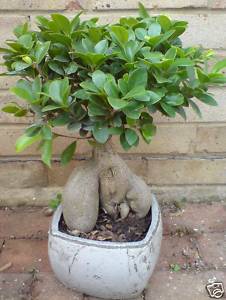
Cool or What?